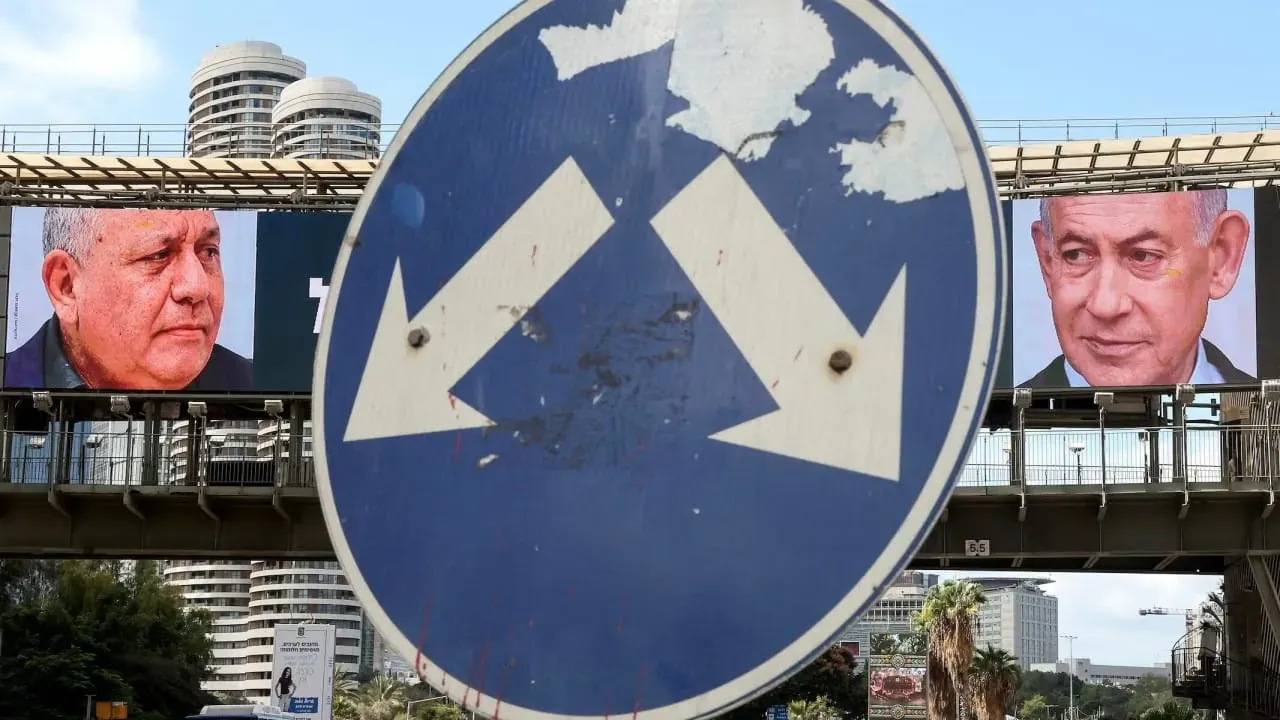
Likud alleges Arab parties stole Israel election with criminal offences
Benjamin Netanyahu's Likud party claimed on 28 October 2026 that Arab-led parties stole Israel's Knesset election through bribery, forgery and prohibited software, as partial results left no bloc near the 61-seat majority.
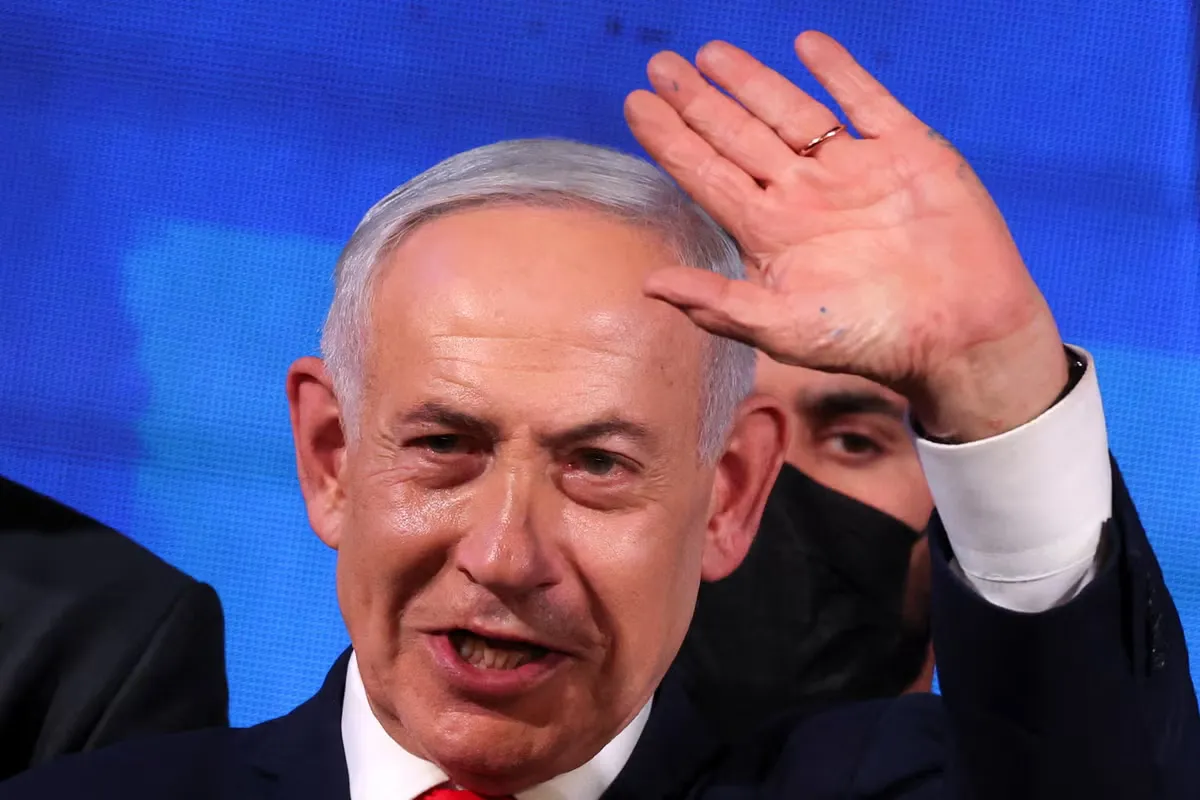 Photo: The Independent
Key points
Netanyahu's Likud alleged Arab-led parties stole Israel's election through criminal offences, while partial results left neither bloc with a Knesset majority.
Benjamin Netanyahu's Likud party alleged that Arab-led parties stole Israel's Knesset election, claiming serious criminal offences at polling stations across the country. The statement, issued after the vote, accused the Arab lists of bribery, threats, violence, forgery and using prohibited software to mobilise voters. Likud said it submitted evidence to the Shin Bet domestic security agency, the Israel Police and the Central Elections Committee, demanding an immediate investigation into the alleged theft of the election.
The allegation matters because it arrives as no bloc is close to a governing majority. Partial results gave Netanyahu's bloc 54 seats and opposition leader Gadi Eisenkot's grouping 49 seats, with 61 needed for a majority in the 120-seat Knesset. Likud's claim of a stolen election echoes language often used to question electoral integrity, and it lands while the Central Elections Committee is still tallying votes and expects definitive results by Thursday.
What Likud alleged in its statement
Likud's statement alleged thousands of envelopes containing cash alongside ballot slips for Ra'am, threats and violence against polling station committee members, multiple voters entering booths together, voting under duplicate identities, and discrepancies between envelope counts and registered voters. The party also cited use of prohibited voter mobilisation software. The allegations have not been independently verified, and no public evidence establishes that Arab parties systematically manipulated the results.
The Central Elections Committee confirmed it received Likud's complaints and is examining them through its routine election integrity review. The committee's acting director-general had contacted electoral lists on 25 October, several days before the election, to explain the review process, under which parties submit data from polling stations where results need further examination. The committee said its monitoring operation examines complaints about suspected irregularities or alleged errors in results.
Arab-led parties the Joint List and Ra'am were projected to win a combined 19 seats in the 120-member Knesset, a record. Netanyahu's bloc stood at 54 seats and Eisenkot's alliance at 49, based on partial results, with more than 90 per cent of ballot boxes counted. Likud's own vote share dropped to 20.74 per cent. Neither side reached the 61 seats needed for a majority, leaving coalition talks that could take weeks or months.
Where the seat counts stand now
If Eisenkot's alliance joined forces with the Arab-led parties, the combined group could cross the 61-seat threshold, with one projection showing 66 seats. However, both Netanyahu and Eisenkot rejected partnering with Arab-led parties, citing a lack of shared values. Naftali Bennett, whose alliance sits in third place, said he wants only Zionist parties in government, narrowing the paths to a working majority.
Rahat mayor Talal al-Krenawi rejected Likud's allegations, calling them lies and incitement against the Bedouin community. He said he witnessed residents arriving at polling stations with walking aids to vote, and that he had never seen elections run cleaner. MK Simcha Rothman, chair of the Knesset's Constitution, Law and Justice Committee, separately demanded the Shin Bet investigate allegations that voters were offered cash, fuel cards and benefits to vote for Ra'am, with findings reported within 24 hours.
Arab leaders reject the fraud claims
Arab politicians accused Netanyahu of inciting hatred against Palestinian citizens as a scare tactic to mobilise right-wing voters during the campaign. There was no immediate comment from the Arab-led parties on Likud's specific claims. Ra'am leader Mansour Abbas indicated willingness to cooperate if Eisenkot became prime minister, and Joint List leader Ahmad Tibi said the bloc was extending its hand to the opposition to remove Netanyahu from power.
After the final tally, President Isaac Herzog will consult party leaders and tap the candidate he believes has the best chance to form a government. That nominee would have up to 42 days to form a government. If the nominee fails, others may get a chance; if no government emerges, another election is called with the present cabinet staying on as a caretaker government. Definitive results are expected by Thursday.
Frequently asked questions
What did Likud allege about Israel's election?
Likud claimed Arab-led parties stole the election through serious criminal offences including bribery, threats, violence, forgery and use of prohibited software to mobilise voters, and said it submitted evidence to the Shin Bet, Israel Police and Central Elections Committee.
Who is winning the Israel election?
Partial results showed Netanyahu's bloc at 54 seats and Gadi Eisenkot's alliance at 49 in the 120-seat Knesset, with 61 needed for a majority. Arab-led parties the Joint List and Ra'am were projected to win a record 19 seats combined.
Have the allegations been verified?
The allegations have not been independently verified, and no public evidence establishes that Arab parties systematically manipulated the results. The Central Elections Committee confirmed it received Likud's submission and is examining it as part of its routine election integrity review.