Oleshky ceasefire holds for 30 hours with no breaches recorded
Ukraine's human rights ombudsman Dmytro Lubinets said on 28 October 2026 there were no breaches of the US-brokered ceasefire around Russian-occupied Oleshky in its first 30 hours, agreed until 1 November to let residents evacuate.
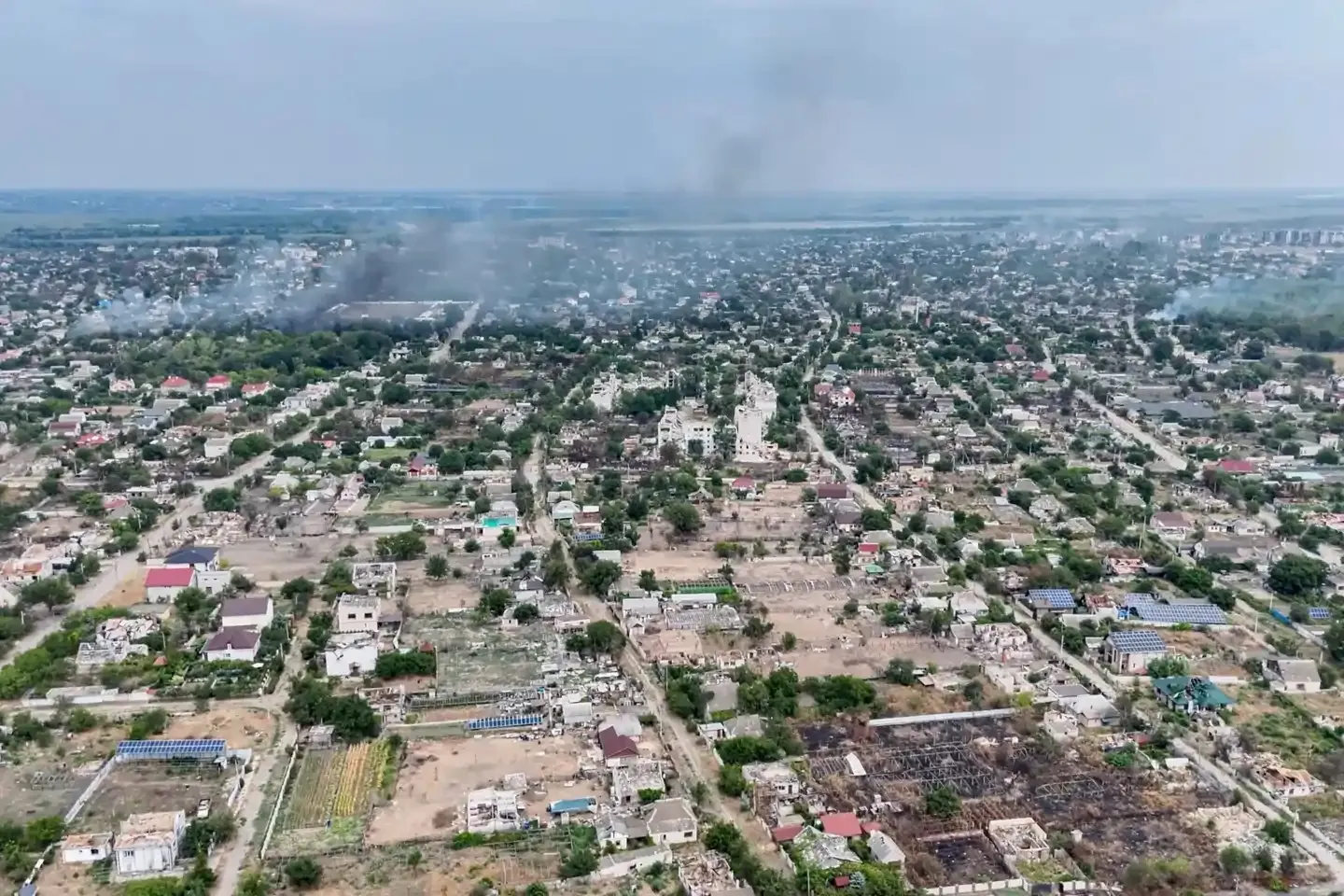 Photo: Nagaland Post
Key points
A US-brokered ceasefire around Russian-occupied Oleshky held for its first 30 hours with no breaches recorded, running until 1 November to let residents evacuate.
Ukraine's human rights ombudsman Dmytro Lubinets said on 28 October there had been no breaches of the US-brokered local ceasefire around the Russian-occupied town of Oleshky in southern Ukraine during its first 30 hours. The ceasefire has been agreed until 1 November to let residents of the frontline town evacuate from near-uninhabitable conditions.
The truce matters because up to 2,000 people remain in Oleshky, where food and medical supplies are running perilously low and drones and land mines restrict movement. It is a rare locally agreed pause in a war now in its fifth year, brokered by the White House, and it is new because earlier limited ceasefires quickly unravelled or never took hold.
Why the truce matters now
The pause in fighting started at 3am to allow an aid mission into Oleshky later in the week. Russian and Ukrainian negotiators, along with the militaries of both countries, confirmed in separate statements that the Oleshky ceasefire had begun. Russian forces stopped shelling towards Kherson at 4am, and Ukraine's top negotiator Davyd Arakhamia said the ceasefire will remain in effect from 27 October until 22:59 on 1 November.
Negotiators involved in the aid mission said doctors, medicines, food supplies and water would be taken to Oleshky before evacuation corridors open. Melania Trump led talks with civilian negotiators from Russia and Ukraine after meeting UN officials briefed on Oleshky, according to her office. The White House said she brokered the ceasefire, which began ahead of schedule to protect civilians.
Lubinets, the parliamentary commissioner for human rights, confirmed in a Facebook post that the Ukrainian side is honouring its commitments. As darkness fell on 27 October, he said no violations had been recorded by either side. The White House said the town's prewar population was 24,000, and Oleshky has been largely cut off from running water, electricity, gas and central heating.
How the pause began
The ceasefire does not apply elsewhere. Russian forces again pounded the Ukrainian capital Kyiv with ballistic missiles overnight, killing at least one person, local officials said, and Moscow kept up deadly missile attacks on other cities. The pause is centred on Oleshky and other nearby parts of the Kherson region, though its geographical scope was unclear. Oleshky sits about 550 kilometres southeast of Kyiv, across the Dnipro River from Kherson.
Yaroslav Shanko, head of the Kherson city administration, said the Ukrainian-held side of the region was quiet, with only Russian reconnaissance drones in the sky, but cautioned it was too early to draw conclusions. "It's too early to say. Let's wait and see, because you can't trust the enemy, especially the Russians," Shanko said. Kyiv resident Olha Haiduk, 59, said she hoped the agreement would be implemented and Russia would keep its word.
Residents and volunteers fear what happens when evacuation begins. Ksenia Arkhipova, who fled Oleshky in 2022 and now helps others leave, said some residents worry Russian officials may screen evacuees for pro-Ukrainian views. "People say they are genuinely afraid that the Russians will check their phones and look for evidence of Ukrainian relatives or ties to the Armed Forces of Ukraine," Arkhipova said. Russia's occupying forces impose strict limits on who can enter the town.
What remains disputed
Deep mistrust between Russia and Ukraine has undermined previous limited ceasefires, and Moscow and Kyiv have blamed each other for the humanitarian crisis. Under international law, Russia as the occupying power must ensure civilians under occupation live safely, and Ukraine has repeatedly tried to negotiate a humanitarian corridor. Pope Leo XIV spoke earlier in October with Volodymyr Zelenskyy and Vladimir Putin, urging them to allow aid into Oleshky, the Vatican said.
Zelenskyy said Russian attacks, including strikes on Ukraine's power grid, must stop to open a path to peace. "There must be peace, de-escalation is needed, and Russia must stop dragging out the war," Zelenskyy said on X. The Kremlin said achieving a just and long-term peace is possible only if the legitimate interests of the Russian Federation are fully and unconditionally taken into account.
Zelenskyy said on Friday that peace negotiators from Ukraine, Russia and the United States had agreed to meet at a technical level in the first half of November in Abu Dhabi to continue talks. Separate trilateral talks involving delegations from Russia, Ukraine and the United States are expected next month in Abu Dhabi to lay groundwork for detailed peace negotiations. The Oleshky ceasefire is due to last through Saturday, or longer if needed.
Frequently asked questions
How long does the Oleshky ceasefire last?
The ceasefire will remain in effect from 27 October until 22:59 on 1 November, according to the agreed terms. A Ukrainian official said it is due to last through Saturday, or longer if needed.
Who brokered the Oleshky ceasefire?
The White House said US first lady Melania Trump brokered the ceasefire. According to her office, she led talks with civilian negotiators from Russia and Ukraine after meeting UN officials briefed on Oleshky.
Why is Oleshky in crisis?
Up to 2,000 people remain in Oleshky with food and medical supplies running perilously low, and drones and land mines restrict movement. The town has been largely cut off from running water, electricity, gas and central heating.