New Zealand coalition falls one seat short as Opportunity holds balance
Final results published on 27 November left Christopher Luxon's centre-right bloc with 65 of 130 seats, one short of the 66 needed, so the centrist Opportunity Party's seven seats decide who governs.
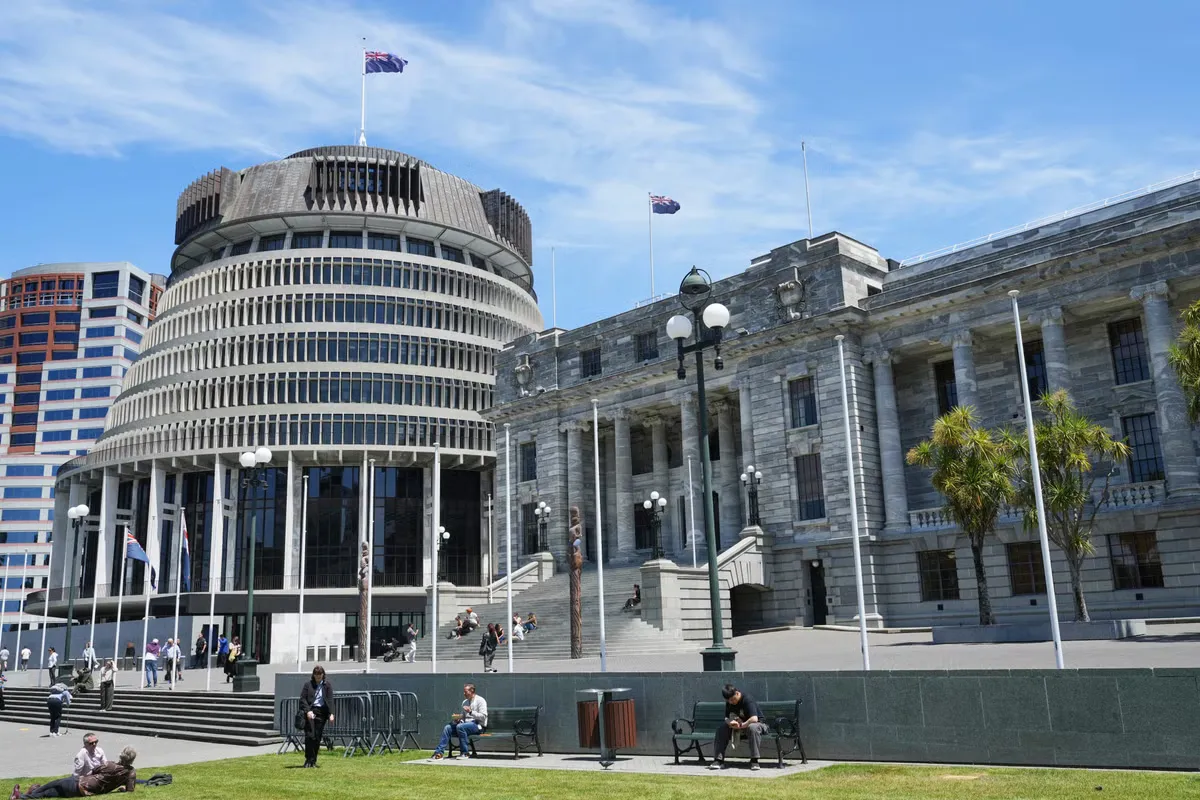 Photo: The Independent
Key points
New Zealand's ruling centre-right coalition won 65 of 130 seats in the final count, one short of a majority, and needs the centrist Opportunity Party's support to govern.
New Zealand's final election count left the ruling centre-right coalition one seat short of a parliamentary majority, the Electoral Commission said on 27 November. Prime Minister Christopher Luxon's bloc holds 65 seats in a 130-seat parliament, with 66 needed to govern alone, and the centrist Opportunity Party's seven seats now decide the shape of the next government.
The result reverses the position on election night. Preliminary results released earlier in the month showed the three-party ruling coalition holding a majority of two seats, according to data from the Electoral Commission. The final tally, which includes special votes, cut that cushion to nothing and handed the balance to a party that has never held office.
Sixty-five seats of 130
National, the main centre-right party led by Luxon, secured 40 seats in the final count, down two from the election-night figure. Its right-wing partners make up the rest of the bloc's 65. The left-wing opposition, led by the Labour Party's Chris Hipkins, cannot form a government even with Opportunity's support, the commission's data showed.
The gap between the blocs is narrow enough that arithmetic alone does not settle the outcome. Luxon's bloc is the only grouping that can reach 66 seats, and only with Opportunity's seven. The commission's final count put the right-wing parties on 65 seats in a 130-seat parliament, with 66 needed for a majority government.
The shift came from special votes, the ballots cast by New Zealanders living abroad or voting outside their electorate. The commission counted 400,000 of them after election night. The Electoral Commission said on 27 November that National, led by Prime Minister Christopher Luxon, had lost two seats in that count, which is why a result that looked settled on the night became a deadlock.
Why special votes changed the count
A total of 2.8 million votes were cast in the election on 7 November, which was the tightest vote in years. Neither the right-wing incumbents nor the left-wing opposition bloc won enough seats to form a majority government, and the final count showed more support for minor parties on the ideological flanks than before.
Opportunity, a centrist group led by 38-year-old business consultant and political newcomer Qiulae Wong, won seven seats. Wong is unaligned with either bloc and has said she could work with either side to form a government. She has also said she will negotiate first with the party that secures the largest number of seats in parliament, which is National with 40.
What Opportunity wants
Wong's pledges of evidence-based centrism and an end to partisan bickering appeared to have appealed to voters, who delivered a stinging rebuke to the major parties, National and Labour, which have long dominated New Zealand politics. Her party's seven seats are not enough to propel the left to power, but they are enough to deny the right a majority.
Luxon and his right-wing government partners now face lengthy negotiations with Opportunity to form a governing deal. Policy differences between them include the environment and government investment, and those differences are the substance of the talks rather than a formality. Political watchers said the negotiations to secure either a coalition or confidence-and-supply deal would be complex and could run into next year.
If Luxon and his coalition partners cannot overcome those differences with Opportunity, and any negotiations between other parties fail to produce a majority government, New Zealand would have to hold a fresh election. Political watchers said a return to the polls was unlikely, but the possibility is the formal consequence of a parliament where no bloc commands 66 seats.
The immediate next step belongs to Wong, who has said she will open negotiations with the party holding the most seats. National's 40 seats give it that claim, and Luxon's partners must settle the environment and investment questions before any deal is signed. The talks could run into next year, with a fresh election the fallback if no majority government emerges.
Frequently asked questions
How many seats did New Zealand's ruling coalition win in the final count?
The centre-right coalition won 65 seats in a 130-seat parliament, one short of the 66 needed for a majority, according to data from the Electoral Commission released on 27 November.
Why did the result change after election night?
The final tally counted 400,000 special votes, including those cast by New Zealanders living abroad. The Electoral Commission said National lost two seats in that count.
What happens if no government can be formed?
If Luxon's coalition cannot reach a deal with Opportunity and other negotiations fail to produce a majority government, New Zealand would have to hold a fresh election, the formal consequence of a parliament where no bloc commands 66 seats.