Nigeria confirms travel-related Ebola case as NCDC convenes emergency meeting
Nigeria's government confirmed an Ebola case in the Federal Capital Territory on 20 October 2026 in a woman arriving from Uganda, and the NCDC held its first Incident Management Meeting on 21 October 2026.
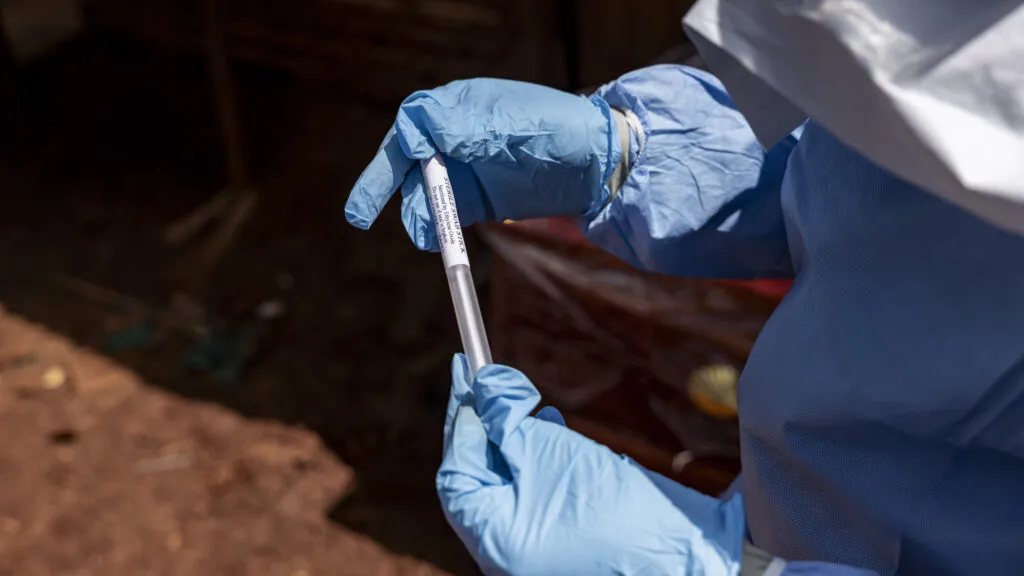 Photo: STAT
Key points
Nigeria confirmed an Ebola virus disease case in a woman who arrived on an international flight from Uganda, and the NCDC convened its first Incident Management Meeting on 21 October 2026.
Nigeria's Federal Government confirmed an Ebola virus disease case in the Federal Capital Territory on 20 October 2026, following laboratory tests. The patient is a woman who recently arrived from Uganda on an international flight. She was reportedly treated at a private hospital for several days before the diagnosis was confirmed, and she is now in isolation.
The confirmation matters because it is a travel-related case connected to an outbreak elsewhere, arriving in Nigeria's capital region. The Nigeria Centre for Disease Control and Prevention convened its first Incident Management Meeting on 21 October 2026, a day after the Honourable Minister's official outbreak declaration, bringing together leadership and key partners to align on response efforts.
What the government confirmed
The NCDC said its Incident Action Plan was still being finalised on 21 October 2026, while its teams were already working in the field. The agency listed enhanced surveillance, contact tracing, infection prevention and control, and coordinated risk communication as its priorities for case management and response activities across the country.
The agency said the meeting brought together leadership and key partners to align on response efforts, and stated its commitment to a timely, coordinated, and evidence-based response to safeguard the health of Nigerians. The response structure follows the declaration of the outbreak in Nigeria, which the NCDC referenced in its statement about the meeting.
Ebola spreads through contact with the blood and other body fluids of infected people or contaminated materials, according to guidance from Oyo State's health commissioner, Dr. Oluwaserimi Ajetunmobi. Early signs can resemble malaria, she warned, listing sudden fever, severe headache, joint or muscle pain, vomiting, diarrhoea, extreme tiredness, abdominal pain and unexplained bleeding as symptoms requiring prompt medical attention.
How the response was organised
The incubation period for Ebola Virus Disease ranges from two to 21 days, according to Ajetunmobi. Oyo State has activated disease surveillance units across its 33 local government areas and distributed information materials on Ebola transmission, prevention and emergency contacts to health facilities, while strengthening infection prevention and control measures in healthcare facilities.
Oyo State's Commissioner for Health, Dr. Oluwaserimi Ajetunmobi, said on 21 October 2026 that no confirmed case of Ebola Virus Disease had been recorded in the state. She said the Ministry of Health began preparations in June 2026 to strengthen readiness for potential outbreaks of Ebola and other infectious diseases, including diphtheria.
Where states are preparing
Ajetunmobi said the state had adopted a One Health approach, collaborating with the Ministries of Information, Agriculture and Environment, as well as the Epidemiology Unit of the University College Hospital, Ibadan, to strengthen disease surveillance, preparedness and response mechanisms across the state's 33 local government areas. The Infectious Disease Centre at Olodo has been prepared as part of Oyo State's emergency response arrangements, Ajetunmobi said, adding that trained healthcare personnel, including laboratory teams responsible for sample collection and testing, were available to respond to suspected cases. Health workers have been advised to maintain a high index of suspicion for patients presenting symptoms suggestive of Ebola.
Ajetunmobi urged residents to wash their hands regularly with soap and water or use alcohol-based hand sanitisers, and cautioned against direct contact with the blood and other body fluids of suspected or confirmed Ebola patients, as well as potentially contaminated materials. She also urged residents to avoid spreading unverified information about the disease.
The NCDC said its teams were on the ground conducting case management and response activities, prioritising enhanced surveillance, contact tracing, infection prevention and control, and coordinated risk communication. The agency said the Incident Action Plan was being finalised on 21 October 2026, indicating the response structure was still being completed as field work proceeded.
The next step reported is the completion of the NCDC's Incident Action Plan, which the agency said was being finalised on 21 October 2026, alongside ongoing field operations including case management, contact tracing and surveillance. Oyo State continues its surveillance activation across 33 local government areas and public awareness efforts to ensure early detection and prompt reporting.
Frequently asked questions
How did Nigeria's Ebola case originate?
The Federal Government confirmed an Ebola virus disease case in the Federal Capital Territory after laboratory tests. The patient is a woman who recently arrived from Uganda on an international flight and was treated at a private hospital for several days before diagnosis was confirmed.
What response has Nigeria's health agency taken?
The Nigeria Centre for Disease Control and Prevention convened its first Incident Management Meeting on 21 October 2026, a day after the outbreak declaration. Its Incident Action Plan was being finalised, with teams conducting case management, contact tracing, surveillance and risk communication.
Are there Ebola cases in Oyo State?
Oyo State's Commissioner for Health, Dr. Oluwaserimi Ajetunmobi, said on 21 October 2026 that no confirmed case of Ebola Virus Disease had been recorded in the state. Surveillance units were activated across its 33 local government areas.