Nigeria confirms first Ebola case as Africa CDC sets crisis meeting
Nigeria confirmed its first Ebola case, a Bundibugyo strain in a diplomat's wife who returned from Uganda, while Africa CDC scheduled an extraordinary meeting of health officials on 28 October 2026.
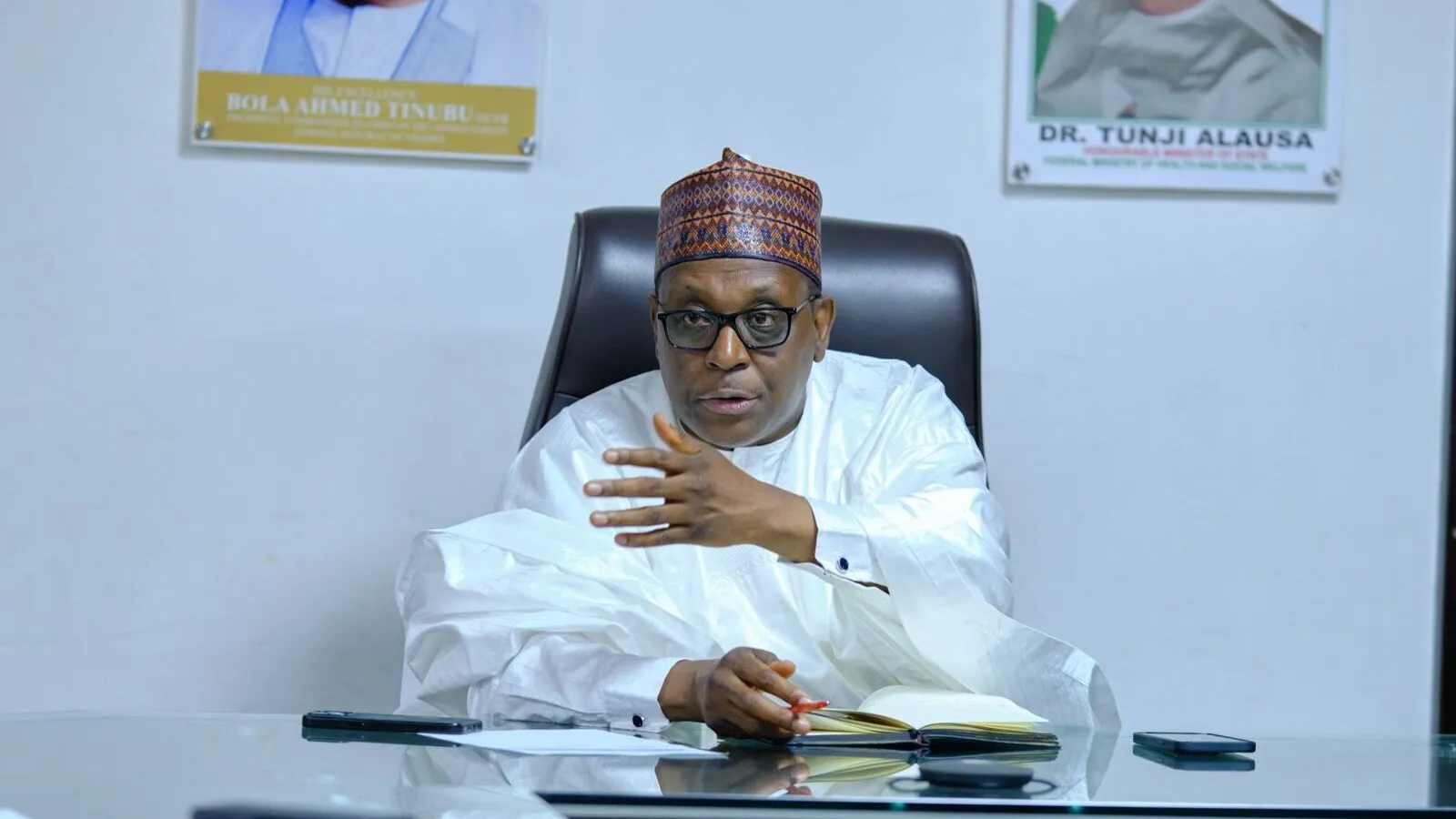 Photo: Premium Times
Key points
Nigeria confirmed its first Ebola case, a Bundibugyo strain in a diplomat's wife who returned from Uganda, with 44 contacts traced and Africa CDC calling a crisis meeting on 28 October 2026.
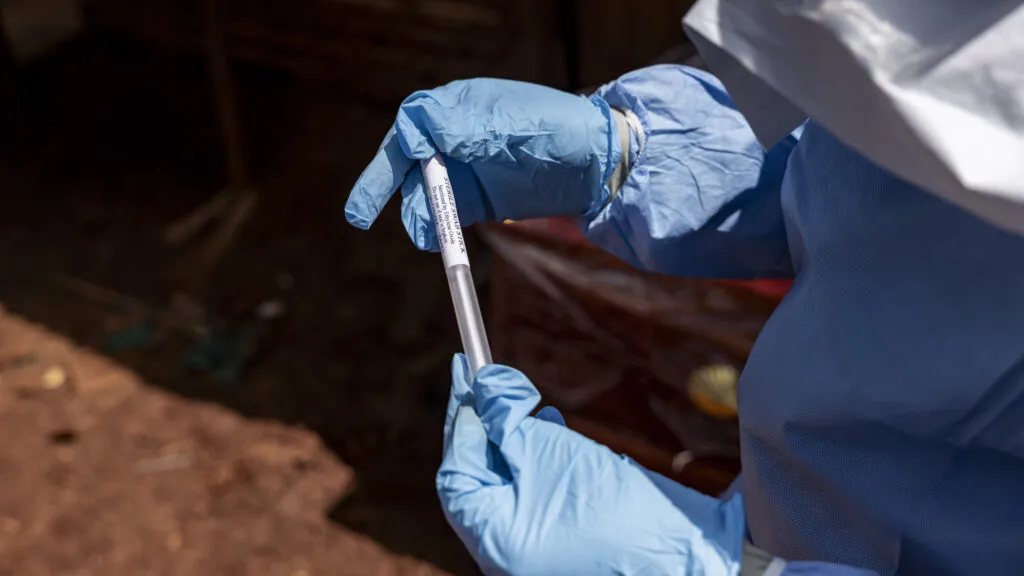
Nigeria confirmed its first Ebola case on 22 October 2026, a Bundibugyo strain in a 42-year-old diplomat's wife who had returned from Uganda, while Africa CDC announced an extraordinary virtual meeting of national health officials. Health authorities identified 44 contacts of the patient, none of whom had developed symptoms at the time of the announcement.
The case matters because it marks the first confirmed Ebola infection in Nigeria during the current regional outbreak, which the World Health Organization says is the fastest-growing Ebola outbreak ever. Unlike Nigeria's 2014 outbreak, this case involves the rare Bundibugyo virus, for which no approved vaccines or treatments exist, raising the stakes for containment efforts.
Why the case matters
Africa CDC Director-General Jean Kaseya said the patient, originally from Uganda but resident in Abuja, developed symptoms three days after returning to Nigeria on 3 October. She first sought treatment at a private hospital on 6 October, believing she had malaria, and was admitted to a second private hospital on 11 October after her condition failed to improve.
The Nigeria Centre for Disease Control and Prevention confirmed the Bundibugyo strain through three molecular tests. Olajumoke Babatunde, director of the public health laboratory service, said: "We did three levels of tests, but all molecular. The strain was Bundibugyo." The Bundibugyo species was first discovered in Uganda in 2007 and causes a form of viral hemorrhagic fever.
Coordinating Minister of Health and Social Welfare Muhammad Pate said the patient tested positive on Tuesday and was stable and responding to treatment. Health authorities traced 44 contacts, including the person who travelled with the patient. Pate said none of the identified contacts had developed symptoms, and the woman had remained in Abuja since returning to Nigeria.
Contacts and regional totals
The European Centre for Disease Prevention and Control reported more than 9,500 cases and 4,602 deaths in the Democratic Republic of the Congo as of 19 October. Kenya confirmed its first imported case in early October and reported a ninth case on Tuesday, with all nine belonging to one known cluster. Uganda recorded 20 cases in this latest outbreak.
Uganda's Ministry of Health disputed the Nigerian account, describing the patient as a Nigerian national who travelled to eastern Democratic Republic of the Congo for business and only passed through Uganda while returning home. Ugandan authorities maintained the country had no active confirmed Ebola cases and that transit alone did not establish where she contracted the virus.
Pate said Nigerian authorities were working with Uganda, Ethiopia and Africa CDC to establish the patient's complete travel history. The patient spent two and a half weeks in Kampala before returning to Abuja through Ethiopia, with a two-hour stopover in Addis Ababa. Public health authorities were alerted on Monday, 19 October, after her condition failed to improve.
What happens next
Africa CDC announced the extraordinary virtual meeting of national health officials, scheduled for 28 October, to strengthen the collective response. Kaseya wrote on X that Ebola now affects three regions of Africa and called for urgent action and political leadership at the highest level. He urged Western countries to avoid imposing travel restrictions.
The Nigeria Centre for Disease Control and Prevention said the patient's condition had deteriorated into multi-organ failure. The Presidential Task Force on Ebola Preparedness, chaired by Chief of Staff Femi Gbajabiamila, said the task force and NCDC were coordinating the response. The Senate urged the government to release emergency funds and introduce compulsory health screening at all international airports, seaports and designated land borders. The Africa CDC crisis meeting on 28 October 2026 will bring together national health officials to coordinate the response as the outbreak spreads across central, eastern and western regions of Africa, with infections confirmed in four countries and active in two.
Frequently asked questions
What Ebola case did Nigeria confirm?
Nigeria confirmed its first Ebola case, a Bundibugyo strain, in a 42-year-old diplomat's wife who returned from Uganda. Health authorities identified 44 contacts, none of whom had developed symptoms.
When did Africa CDC call a crisis meeting?
Africa CDC announced an extraordinary virtual meeting of national health officials scheduled for 28 October 2026 to strengthen the collective response to the Ebola outbreak spreading across three regions of Africa.
How many Ebola cases have been reported in the DRC?
The European Centre for Disease Prevention and Control reported more than 9,500 cases and 4,602 deaths in the Democratic Republic of the Congo as of 19 October 2026.