Nvidia adds $847.8 billion as board brings back Jensen Huang
Nvidia shares rose more than 30% on 23 November after the board reinstated Jensen Huang as president and chief executive, 11 days after he resigned over an affair.
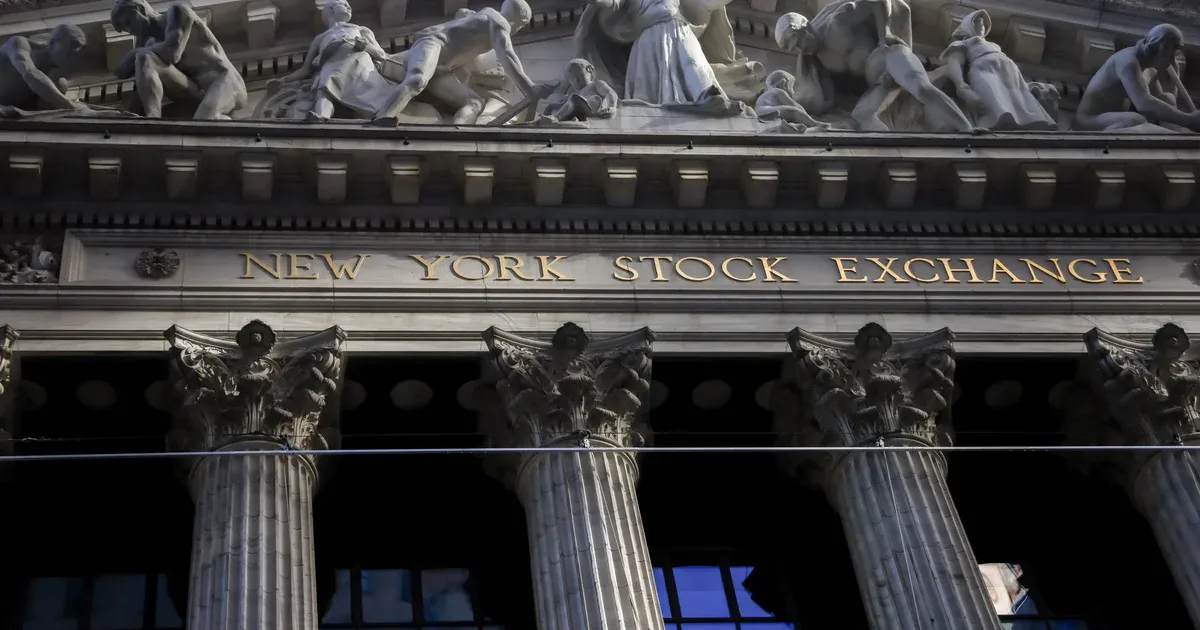 Photo: CBS News
Key points
Nvidia's board reinstated Jensen Huang as president and CEO on 23 November, and the stock rose more than 30%, putting it on track to add $847.8 billion in market value.
Nvidia shares surged more than 30% on 23 November after the company's board reinstated co-founder Jensen Huang as president and chief executive, effective immediately. The stock opened at $167.04 against a previous close of $125.53, and the chipmaker was on track to add around $847.8 billion to its market value.
Huang resigned on 12 November as president, CEO and board member following revelations about extramarital affairs, including one involving a businesswoman whom US authorities suspected of spying for China. Beijing has denied the spying allegation. The reversal came 11 days after that resignation, and Nvidia had suffered its worst weekly stock decline since 2008 in the week before the announcement.
A board reversal in 11 days
The board had said on 17 November that it did not intend to bring Huang back, even though he had expressed willingness to return. Chairman Harvey C Jones said then that the company had no plans to reinstate him. Directors changed position after several discussions and meetings, and voted unanimously on 23 November to restore him to all three roles.
Nvidia said directors were satisfied with Huang's honesty and ability to lead the company after those discussions. The board also received information from senior US government officials and concluded that his return did not pose a national security risk. Jones will continue as chairman, and the board said it believes Huang is the right person to lead Nvidia.
Huang said he was honoured to return to lead Nvidia at the beginning of what he described as a new industrial revolution, and thanked the board, employees, shareholders and business partners. Colette Kress, who had taken over as interim CEO during his absence, returns to her role as chief financial officer. The board thanked her for leading the company through the transition.
What the rally carried with it
The rally spread well beyond Nvidia. The Nasdaq Composite jumped 6%, erasing all of its losses from 20 November, when the technology-heavy index fell 1,261 points, or 5.3%, its second-worst day of 2026. The S&P 500 climbed 4.2% and the Dow Jones Industrial Average rose 2.1%. Coreweave, a cloud computing company and Nvidia customer, shot up 25%.
Semiconductor suppliers moved with it. US-traded shares of South Korean chipmaker SK hynix jumped 21.02%, or $21.77, to $125.34 as of 10:57 am, against a previous close of $103.57. SK hynix is a major supplier of high-bandwidth memory chips used in Nvidia's AI processors, which makes its shares particularly sensitive to developments at the US chip giant.
The gains reversed part of a sell-off driven by two concerns: a possible slowdown in data centre construction across the US and tightening restrictions on chip exports, both of which could hurt corporate profits. Microchip companies led the losses on 20 November, with Advanced Micro Devices shedding 13.3% and Broadcom 12.2%. Both recovered on 23 November, with AMD up 5.9% in early trading and Broadcom gaining 1.1%.
Analysts doubt the rebound holds
Some Wall Street analysts said investors remain on edge about whether the artificial intelligence sector is unravelling. Vital Knowledge analyst Adam Crisafulli wrote to investors that the S&P futures were not even reclaiming their loss from 20 November, much less the entire week. He said most people were looking at the uptick as nothing more than technical in nature, a partial reversal of extremely oversold conditions.
President Donald Trump welcomed the decision and called it the "correct and proper decision". He said the US government had no reason to believe Huang's return created a national security risk, and that Attorney General Todd Blanche had confirmed the government had no evidence of Huang engaging in unlawful conduct. Trump asked Nvidia to continue its internal investigation into whether the company followed US export control rules.
Nvidia's independent investigation into reports that Huang was the target of a foreign intelligence effort remains open, and Huang has agreed to cooperate. The company has created a National Security and Export Control Committee made up of independent board members, and has begun the search for a chief compliance officer to oversee compliance across the company.
Not every AI-linked stock joined the rally. Anthropic, which made its public market debut on the Thursday before, was flat, rising 0.1% after the opening bell. Nvidia's next test comes with the company's continued internal investigation and the search for a chief compliance officer, both of which the board said would proceed despite Huang's return.
Frequently asked questions
Why did Nvidia shares surge on 23 November?
The board reinstated Jensen Huang as president and CEO, effective immediately, reversing its 17 November position. Shares rose more than 30% and opened at $167.04 against a previous close of $125.53.
How much did Nvidia shares rise?
Nvidia shares surged more than 30% after the opening bell on 23 November, opening at $167.04 compared with a previous close of $125.53.
What happens to Nvidia's investigations now?
The board said its independent investigation into reports that Huang was the target of a foreign intelligence effort remains open, and Huang has agreed to cooperate. Nvidia created a National Security and Export Control Committee and is searching for a chief compliance officer.