Saudi-led coalition strikes Hodeidah port as Houthis warn airlines
The Saudi-led coalition struck Yemen's Red Sea port of Hodeidah on Friday to destroy Houthi capabilities, as the group warned airlines away from Saudi airspace and claimed 41 deaths.
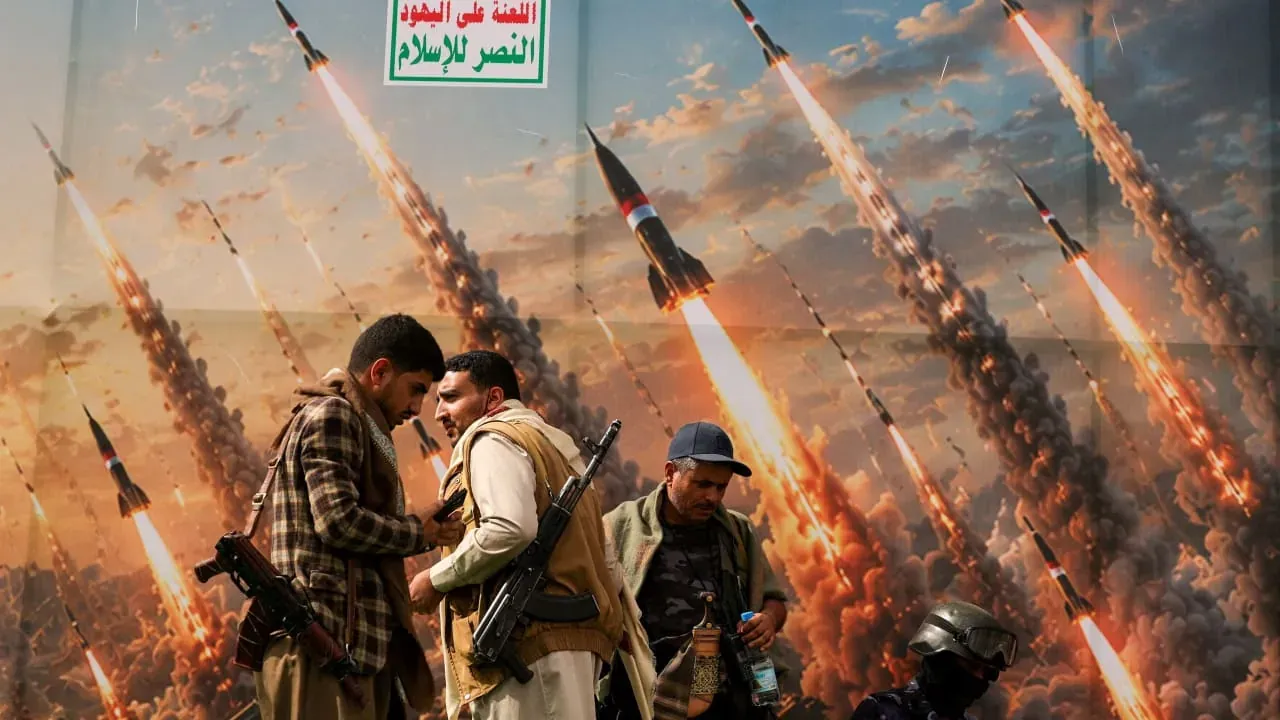 Photo: The Jerusalem Post
Key points
The Saudi-led coalition struck Yemen's Hodeidah port on Friday, and the Houthis responded by warning airlines and shipping away from Saudi airspace and Red Sea ports.
The Saudi-led coalition fighting Yemen's Iran-aligned Houthis said it struck the Red Sea port of Hodeidah on Friday to destroy Houthi capabilities, as the militants warned airlines to avoid Saudi airspace and pledged new air strikes within hours. The coalition had earlier warned civilians to evacuate the area. The coalition said it destroyed operational capabilities at the port that were used in smuggling operations and the transport of weapons and ballistic missiles. Hodeidah is the main port bringing food and other supplies into Houthi-controlled northern Yemen, which is why the strike drew immediate attention to the supply route rather than only to the fighting.
What the coalition says it destroyed
Yemen's Information Minister said the port remains fully operational and the flow of goods will continue, according to the account of the strike. That claim sets the coalition's stated target, smuggling and weapons transport, against the port's role as the entry point for food and other supplies for northern Yemen.
The Houthis had said they would hit Red Sea ports if the Saudis carried out their threat to strike the Yemeni port. Houthi military spokesperson Yahya Saree said in a statement: "We warn all employees, workers, and those in the vicinity of (Saudi Arabia's Red Sea) ports to evacuate them immediately and stay away."
Saree also urged shipping companies to evacuate their ships from Saudi Red Sea ports, and said airlines should avoid Saudi airspace "because it will be the scene of our operations in the coming hours," making an exception for airspace near the Muslim holy cities of Mecca and Medina. He said the group would target a power station at Shuqaiq in southern Saudi Arabia.
The Houthi reply and its targets
The Houthis said on Friday that they had attacked a power station in Saudi Arabia's Al-Shuqaiq and the port of Jizan in response to the coalition strikes. Saree said the strikes were "accurate and direct, causing extensive damage," and described them as a response to coalition strikes on the Saada and Mokha power stations and on one of the quays at Hodeidah port earlier in the day.
The Saudi-led coalition said afterward that it intercepted and destroyed two ballistic missiles launched by the Houthis towards the southern province of Jazan, with shrapnel falling in the Shuqaiq area. The two accounts differ on what reached the ground: the coalition describes interceptions and falling shrapnel, while the Houthis describe direct hits and extensive damage.
The coalition also said it carried out an operation in Yemen's capital Sanaa targeting ballistic missile and drone capabilities, and that operations in Saada and Taiz were ongoing. The Houthis said strikes killed 41 people in the past 24 hours, a toll the coalition did not confirm in its statements.
Why Hodeidah matters for food
Haq said Yemen's Red Sea ports must remain operational, given their importance to millions of people who depend on essential supplies entering the country. He urged all parties to uphold their obligations under international humanitarian law, including the prohibition of directing attacks against civilians and civilian infrastructure, and to take constant care to spare the civilian population and civilian objects.
The escalation follows a strike a day earlier on the tallest skyscraper in Riyadh. Deadly strikes on Riyadh's main airport last month led to the cancellation of most international flights, and Saudi Arabia has postponed or cancelled high-profile global events including soccer's AFC Asian Cup. Fighting resumed in Yemen in July in parallel with the wider Iran war. Since then the Houthis have rapidly advanced, seizing territory from Yemen's internationally recognised government and its allies, who are backed by Saudi Arabia, and forcing Saudi-backed forces to retreat over the weekend to defend their temporary capital in the southern port of Aden. The UN renewed its call for a diplomatic solution to the conflict. Haq said: "We reiterate that ultimately there is no military solution to the conflict and urge all parties to find a pathway back to political negotiations."
Frequently asked questions
What did the Saudi-led coalition strike in Yemen?
The coalition said it struck the Red Sea port of Hodeidah on Friday to destroy Houthi capabilities used in smuggling operations and the transport of weapons and ballistic missiles. It also said it carried out an operation in Sanaa targeting ballistic missile and drone capabilities, with operations in Saada and Taiz ongoing.
What did the Houthis warn airlines and shipping companies?
Houthi military spokesman Yahya Saree told airlines to avoid Saudi airspace because it would be the scene of operations in the coming hours, except near Mecca and Medina. He urged shipping companies to evacuate their ships from Saudi Red Sea ports and workers near those ports to leave.
Why does Hodeidah port matter?
Hodeidah is the main port bringing food and other supplies into Houthi-controlled northern Yemen. The UN said Yemen's Red Sea ports must remain operational given their importance to millions of people who depend on essential supplies entering the country.