SpaceX catches Starship in first tower catch after 14-orbit flight
On 14 November, SpaceX caught its Starship upper stage with tower arms for the first time after a 22-hour, 14-orbit mission, a key step toward full reusability.
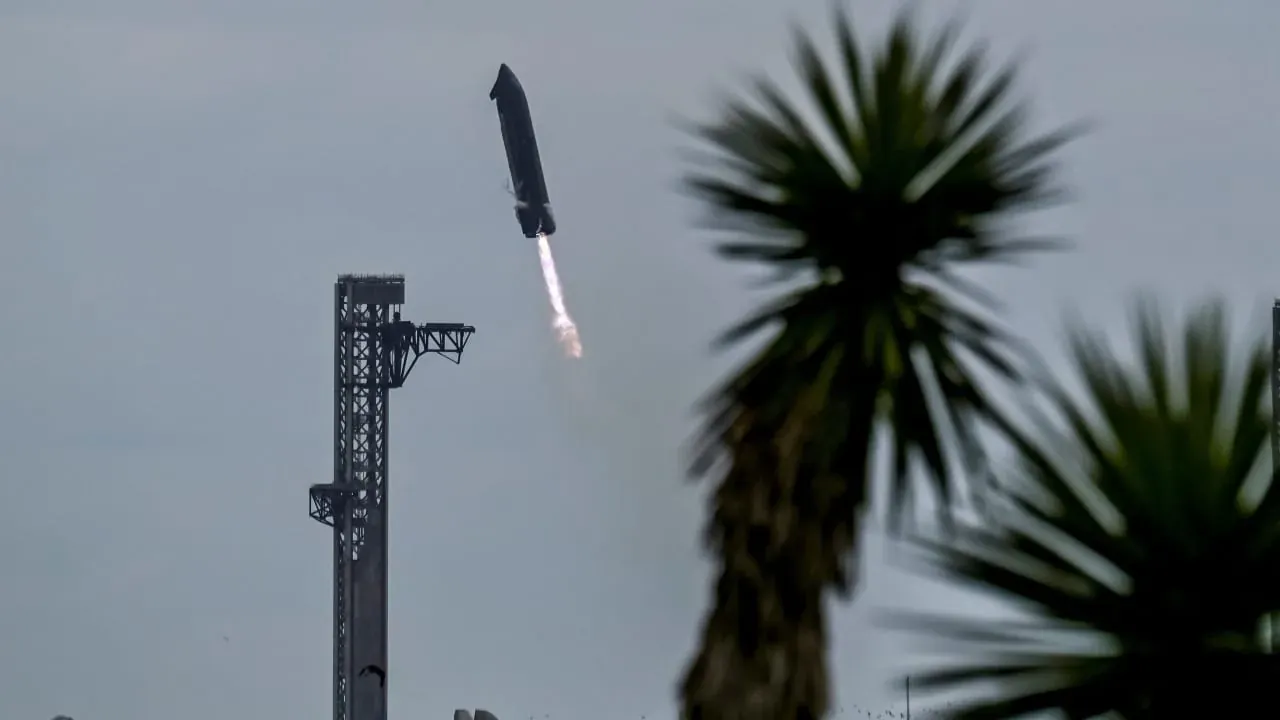 Photo: The Jerusalem Post
Key points
SpaceX caught its Starship upper stage with tower arms for the first time on 14 November, after a 22-hour, 14-orbit mission.
SpaceX caught its Starship upper stage with the mechanical arms of its launch tower for the first time on 14 November, after a 22-hour, 14-orbit mission. The 171-foot-tall ship fell out of thick clouds over SpaceX's Starbase site in South Texas, reignited its engines to flip vertical, and descended into the tower's 'Mechazilla' arms. The catch is a key milestone in SpaceX's effort to build a fully reusable rocket.
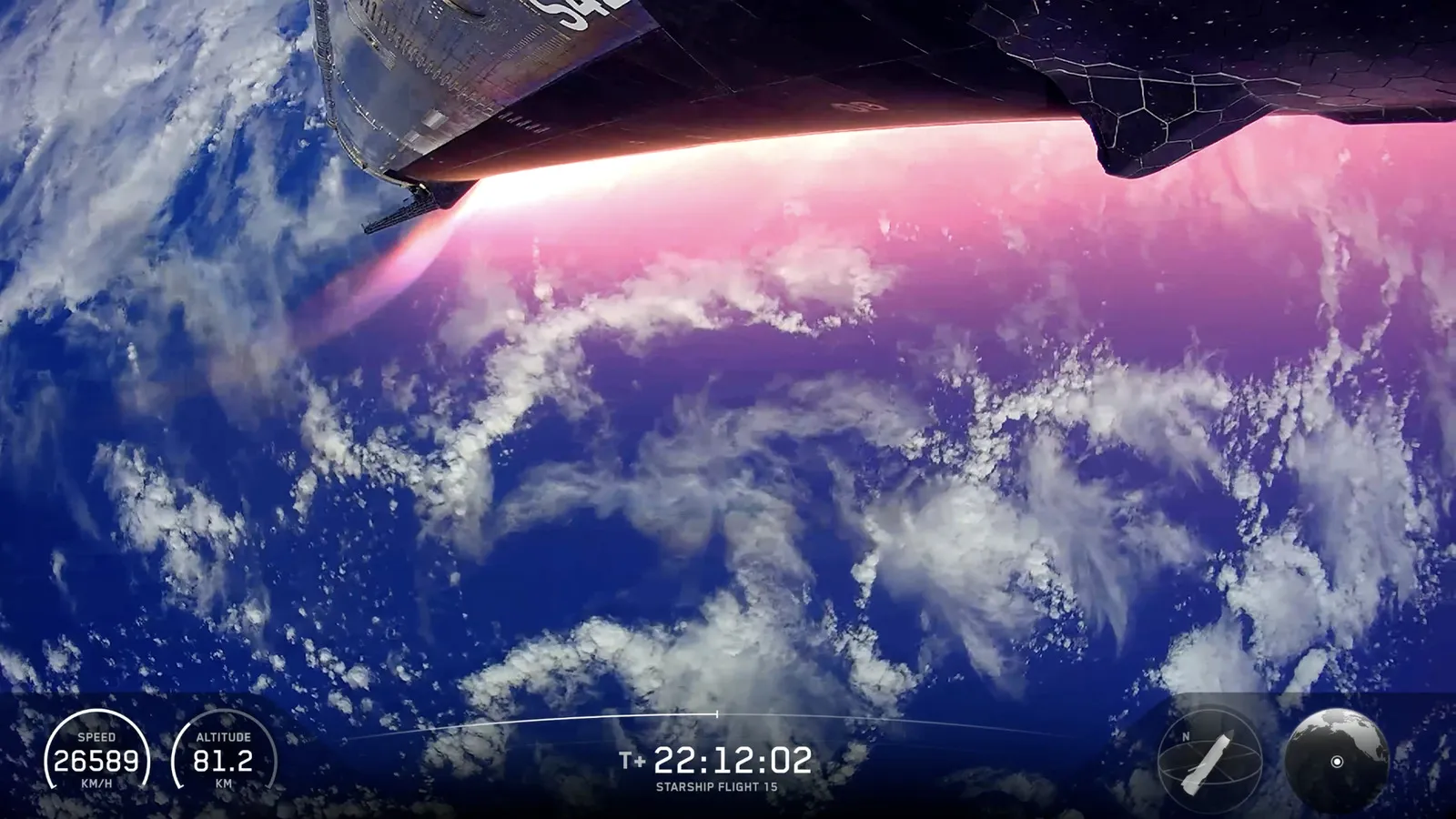
The Starship upper stage deployed 26 Starlink satellites in orbit on Friday night while cruising at an altitude of about 161 miles (260 km). On Saturday, it fired one of its engines to begin its atmospheric plunge, slowing from an orbital speed of about 17,000 miles per hour to a supersonic free-fall. The ship's heat shield, made of black hexagonal tiles, protected it from the blazing heat of reentry.
First catch of the Ship
The catch was the first time SpaceX has successfully executed the 'chopstick' maneuver on the Starship vehicle itself. The company has performed similar catches of its Super Heavy boosters before, but this was the first for the upper stage. SpaceX CEO Elon Musk said during the company's third-quarter earnings call that 'success is not guaranteed on these first flights, but I'd say it's more likely than not that this succeeds next flight.'
The mission, designated Flight 15, launched on Friday from SpaceX's Starbase facilities in Texas. The Super Heavy booster, the rocket's bottom half, carried Starship to space but failed to make a similar return to the launch pad about 10 minutes after liftoff. The booster aborted its catch attempt and instead changed course to splash down in the Gulf of Mexico, where it exploded before hitting the water.
SpaceX is still trying to determine what caused the booster to abort its landing and detonate over the Gulf of Mexico. The company has caught and reflown V1 Super Heavy boosters a couple of times so far, but this was the first attempt to catch the Ship. The booster failure nixed SpaceX's plan to recover both parts of the rocket for the first time.
Booster abort and explosion
Despite the booster failure, the successful catch of the Starship upper stage marked a key engineering milestone in the development of Starship. Musk sees Starship as the future workhorse for SpaceX's Starlink satellite business, as well as ambitions to put data centers in orbit, return humans to the Moon, and eventually settle on Mars. The rocket system is designed to fly to space and back in a manner and tempo akin to commercial airplanes.
SpaceX's dominance in the global launch industry is centered on its workhorse Falcon 9 rocket, which has launched over 700 times since 2010. That rocket's first stage is reusable, but its second stage is discarded into the ocean after each flight. With Starship, SpaceX aims to make both stages reusable, reducing the cost of access to space.
Though Saturday's Starship recovery is a key milestone, SpaceX has yet to recover both Starship stages in a single mission. The heat shield, composed of black hexagonal tiles, is not yet fully reusable. SpaceX is trying to engineer new tile designs that will require little to no refurbishment after each mission. NASA's Space Shuttle system, retired in 2011, was partially reusable but required extensive refurbishment before re-flying.
Path to full reusability
The successful catch is a step toward SpaceX's goal of rapid reusability, but the company still faces challenges. The booster failure on Flight 15 shows that the system is not yet fully reliable. SpaceX will need to recover both stages in a single mission to achieve its vision of a fully reusable rocket. The company has not announced a date for the next flight.
The catch was performed at around 4:20 PM ET, according to a video posted by SpaceX. The ship shut down its engines and hung still after the rocket system's longest mission yet. The successful catch is a significant achievement for SpaceX, but the company continues to innovate and improve on its designs and technology.
SpaceX's next steps will likely focus on addressing the booster failure and improving the heat shield's reusability. The company has not announced a specific date for the next Starship flight, but it will need to recover both stages in a single mission to achieve its goal of full reusability. The successful catch of the Ship is a major step forward, but the booster failure shows that there is still work to be done.
The catch is a historic achievement for SpaceX, but the company's ultimate goal is to make Starship fully reusable. The booster failure on Flight 15 highlights the challenges that remain. SpaceX will continue to test and refine its systems, with the next flight likely to attempt another double catch. The company's progress will be closely watched as it works toward its ambitious goals.
Frequently asked questions
What did SpaceX catch on 14 November?
SpaceX caught its Starship upper stage with the mechanical arms of its launch tower for the first time, after a 22-hour, 14-orbit mission.
Why is the Starship catch important?
The catch is a key milestone toward SpaceX's goal of a fully reusable rocket, which could lower the cost of space access and enable missions to the Moon and Mars.
What happened to the Super Heavy booster on Flight 15?
The Super Heavy booster aborted its catch attempt and exploded over the Gulf of Mexico. SpaceX is investigating the cause.