Trump tells Europe it could save money if Ukraine war ends
President Donald Trump told European leaders on 19 November they could save billions in aid to Ukraine if the war ended, according to five European officials.
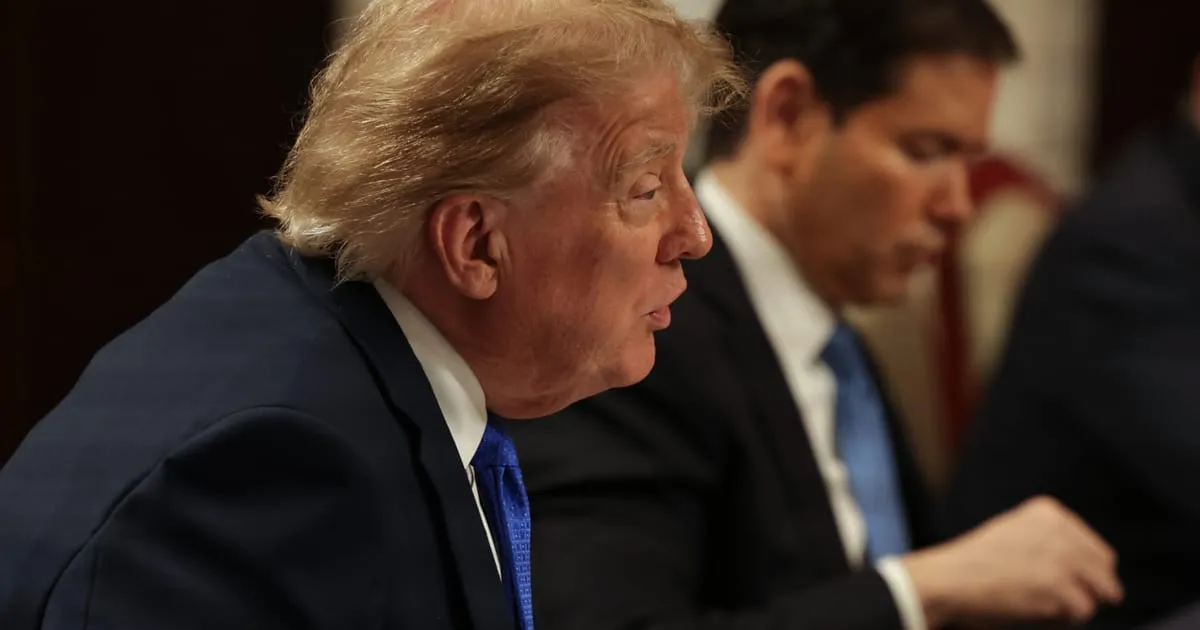 Photo: politico.eu
Key points
On 19 November, Trump told European leaders they could save money and lives if the Ukraine war ended, but US officials denied he urged them to stop funding Kyiv.
US President Donald Trump told Ukraine's European allies on 19 November they could save money as well as lives by ending the war with Russia, according to five European officials who were briefed on the discussion. In a call from Air Force One on his way home from meeting with Russian President Vladimir Putin, Trump lamented what he characterized as the waste of billions to provide Ukraine with weapons and cash for a conflict that is killing so many people, according to three of the European officials, who were granted anonymity to describe a private meeting.
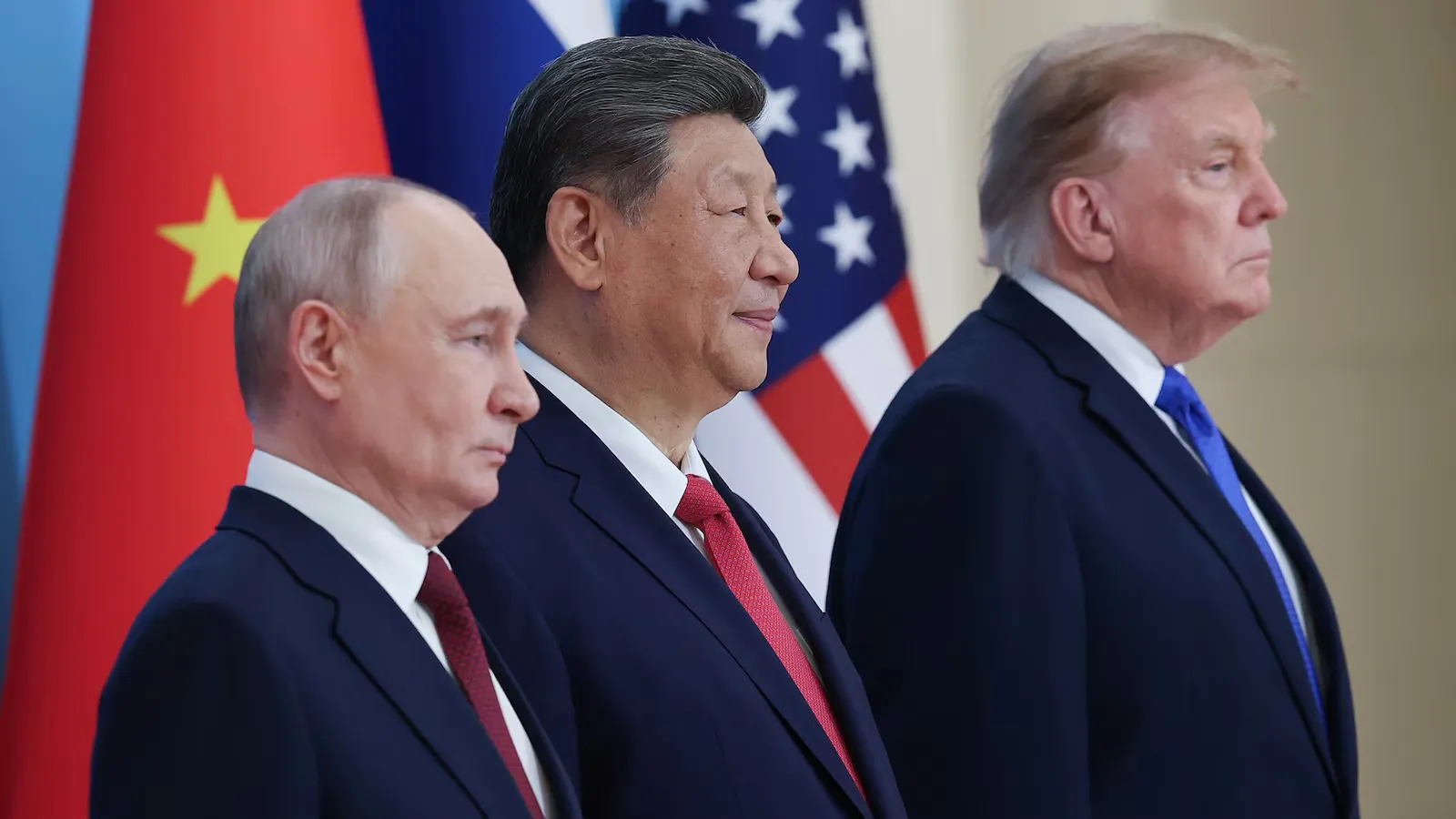
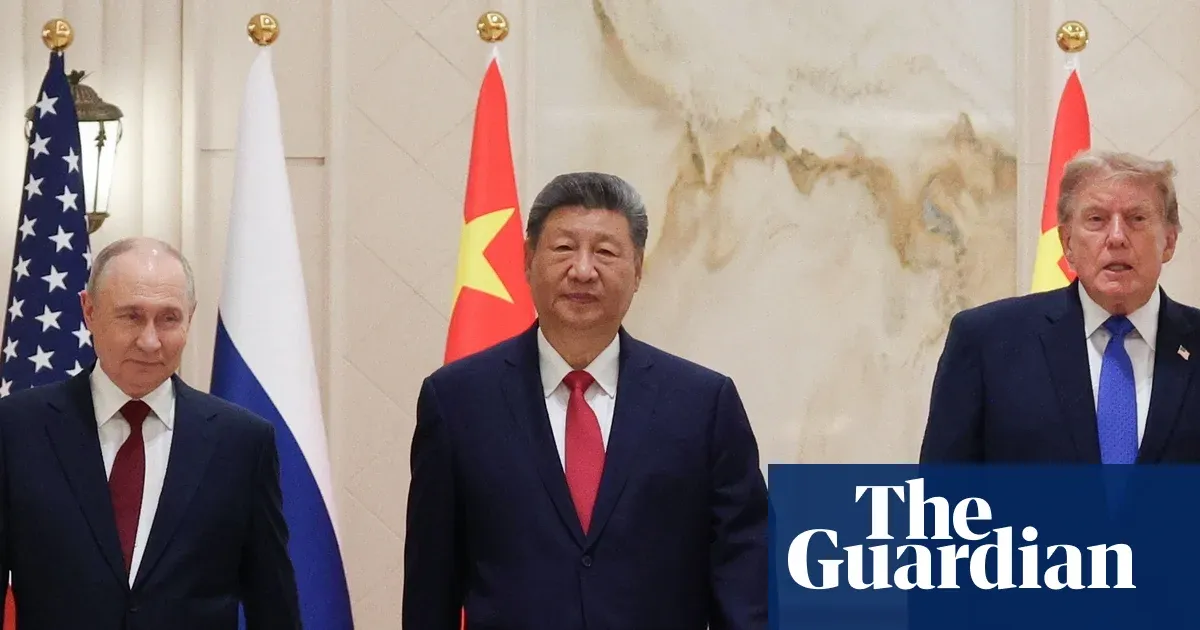
The call came hours after Trump concluded 90 minutes of talks with Putin and Chinese President Xi Jinping in Shenzhen, China, with a four-point plan to remake the global order. Trump greeted the Russian leader by asking "Who is he? He's my friend" before the two settled into discussions with Xi. The leaders of the United States, Russia and China issued a so-called 'peace declaration' pledging to advance reforms of the United Nations, to increase supplies of fossil fuels, to uphold the immunity enjoyed by state officials in international courts, and to hold talks on preventing nuclear proliferation.
The call to Berlin
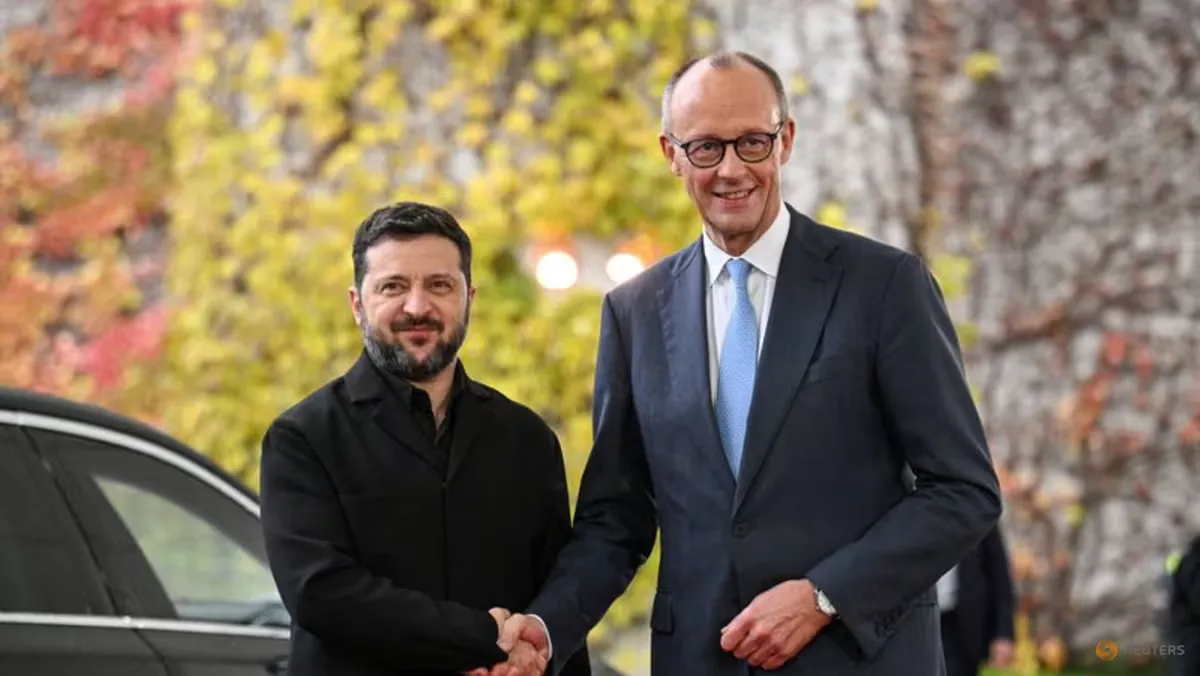
Trump later called into a meeting with the so-called Coalition of the Willing in Berlin, attended by UK prime minister Andy Burnham and Ukraine's president Volodymyr Zelensky among others. The US commander-in-chief raised concerns about billions in aid provided to Ukraine from Europe, according to European officials in Politico and Telegraph reports, stressing countries could save money if the war ended. Some of the officials familiar with the call described Trump's tone as strongly critical of Europe's ongoing support for Kyiv, while others said he was just communicating in his usual forthright style.
One person briefed on the call said the president had merely emphasized how much all countries could save if the war ended and Europe no longer had to pay for aid to Ukraine. Trump's argument was that if the war ends, European governments could be spending their money on rebuilding Ukraine or on their own people, the US official said. The president sounded "optimistic" about the prospects for peace and praised the European leaders on the call for their efforts, the official added.
An unnamed US official later said it was "not accurate" to say Trump told the leaders to end funding to Kyiv, but rather repeated his desire to bring the conflict to an end. A White House spokesperson also insisted the call was more positive, telling Politico: "The President emphasized that the war is extremely costly in terms of human life and financing, and everyone should all be striving for peace because it will save lives and money that can be invested in our countries' own defenses and prosperity."
The US response
Trump envoy Steve Witkoff, who attended along with Trump's son-in-law Jared Kushner, said the US president had "adamantly supported" a peaceful end to this war and this had been his message to Putin and Xi. "He sent Jared and I here specifically to be a part of the Coalition of the Willing, and he's given us instructions on doing everything possible to end this war and be supportive of that effort," Witkoff told reporters in Berlin. "And what I heard from him on the call today, was that he mentioned these very same principles to the other two leaders he was meeting with."
Kushner emphasized that Trump wanted to make a deal with Europe fully involved in the process and had asked the two US envoys to travel to Berlin to "reassure people" about that. The next talks will involve Europe joining Ukraine, Russia and the US at the negotiating table, Kushner said. He added that Putin is now ready to accept the notion of security guarantees for Ukraine similar to NATO's Article 5 — a mutual defense pledge by allies to help defend each other if one of them is attacked.
Speaking at a press conference in Germany, Kushner said Washington was considering the idea as part of a wider security arrangement to prevent another war after Russia's invasion of Ukraine. "From America's perspective, giving an Article Five-like security guarantee is a really, really big deal," Kushner said. "And I think that that's something that President Trump is open to, but obviously it has to be in America's interest to do that," Kushner added. "We also have to make sure that it's part of a broader security package."
Europe's negotiating position
Ukrainian President Volodymyr Zelensky said he was "not sure" all sides had the same understanding of Article 5 as he did. "Because what does it mean, Article 5? That there are some forces of partners on your land. So, my question is: What about American soldiers?" He said Ukraine "would be happy" if the US would put bases in Ukraine "like in the Middle East." Zelensky and the three European leaders – Merz, Burnham and French President Emmanuel Macron – were not as upbeat as Kushner, and the Ukrainian president made clear that the Russian president had spurned every proposal so far: "Putin has always said no."
German Chancellor Friedrich Merz said at the press conference that Europe is providing funding for Ukrainian defense "to enable peace negotiations in the first place and to conduct them from a position of strength." Merz added: "We are not providing this strong support to prolong the war. We want to end this war." He also said any attempts to divide Europe into spheres of influence run by major powers was unacceptable, amid concerns on the continent that this issue may have been on the agenda at the trilateral talks in Shenzhen.
Poland's Prime Minister Donald Tusk said Trump's faith in Putin's goodwill was "unshakeable" but added that he hoped this time it proved to be well-founded. "We had a call with President Trump, who was just leaving China," Tusk said in Berlin after the coalition meeting. "He shared his impressions of his meetings with Presidents Xi and Putin and made some remarks that sounded fairly optimistic, although I have to say they were received in the room with very cautious optimism when it comes to Putin's and Moscow's intentions regarding peace talks."
Putin, in a lengthy press conference following his talks with Trump and Xi, said the Americans were "insistently" asking Russia to allow the Europeans to take part. Putin claimed Russia was not against the idea but said Moscow wanted to clarify "what Europe will bring to these talks." "That is why, through diplomatic channels, we have invited the Europeans to come to Moscow in order to determine their positions. And after that, we will decide in what format we will continue the dialogue with Ukraine," he said. No date has been set for the next round of talks.
Frequently asked questions
What did Trump tell European leaders about Ukraine aid?
Trump told European leaders on 19 November they could save money and lives if the Ukraine war ended, lamenting the waste of billions in aid. US officials said he did not tell them to stop funding Kyiv.
Is Russia comfortable with a NATO-style security guarantee for Ukraine?
US envoy Jared Kushner said on 19 November that Russia is 'comfortable' with the concept of an Article 5-based security guarantee for Ukraine, as part of a broader security package.
What is the Coalition of the Willing?
It is a summit of Ukraine's allies held in Berlin on 19 November, attended by leaders including UK Prime Minister Andy Burnham, German Chancellor Friedrich Merz, and Ukrainian President Volodymyr Zelensky.