Judge dismisses Trump's defamation suit against Wall Street Journal with prejudice
A federal judge in Miami dismissed with prejudice President Trump's defamation lawsuit against The Wall Street Journal over its Epstein birthday letter story, ruling he did not prove actual malice.
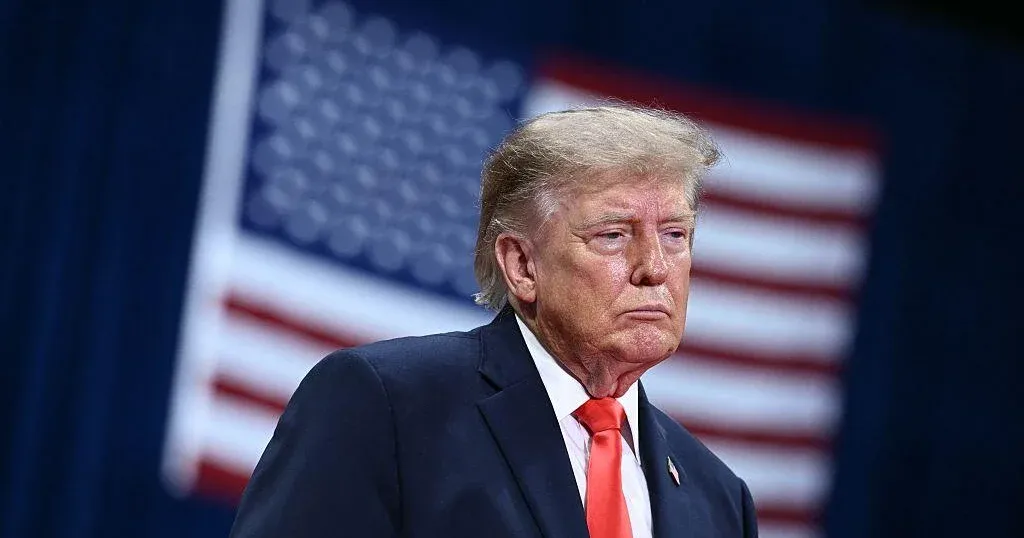 Photo: CBS News
Key points
A federal judge dismissed with prejudice President Trump's defamation lawsuit against The Wall Street Journal over its Epstein birthday letter story.
U.S. District Judge Darrin Gayles in Miami dismissed with prejudice President Trump's multimillion-dollar defamation lawsuit against The Wall Street Journal, ruling in a 20-page decision that Trump did not prove the defendants made defamatory statements with actual malice. The dismissal means the case cannot be refiled. The lawsuit concerned a Wall Street Journal story reporting a sexually suggestive letter bearing Trump's name, included in a 2003 album compiled for Jeffrey Epstein's 50th birthday.
The ruling matters because it permanently bars Trump from bringing another defamation case against the newspaper over this story, and because it restates the constitutional standard governing libel suits by public figures. Actual malice requires plaintiffs to prove statements were published knowing they were false or with disregard for whether they were true. Gayles wrote that the lawsuit was "grasping at straws" as it attempted to "manufacture" flaws in the Journal's investigative reporting.
Why the judge rejected the claim
Gayles wrote that Trump's allegations were "conclusory, vague, sometimes inconsistent with the article, and often irrelevant to whether Defendants knew or should have known that the statements in the article were purportedly false." The judge rejected Trump's argument that once he declared the letter a fake, the newspaper should have disregarded everything else it learned, writing that this is not what the actual malice standard requires and runs afoul of the First Amendment. The order opens with a passage from New York Times Co. v. Sullivan (1964), the Supreme Court ruling establishing that public figures must prove actual malice.
Before publication, Wall Street Journal reporter Palazzolo emailed then White House press secretary Karoline Leavitt on 15 July 2025 to advise that Dow Jones intended to publish the article. Leavitt told Palazzolo the subject matter was false, and Trump, through counsel, denied writing the letter and warned Dow Jones not to publish. Trump also directly told Rupert Murdoch he had not signed or sent the letter; when Murdoch responded that he would "handle it," Trump thought the paper would not print. The article appeared two days later.
The article, titled "Jeffrey Epstein's Friends Sent Him Bawdy Letters for a 50th Birthday Album. One was from Donald Trump," reported that Ghislaine Maxwell collected letters from Trump and dozens of Epstein's other associates for a 2003 birthday album. The letter bearing Trump's name contains typewritten text framed by the outline of a hand-drawn naked woman, concluding: "Happy Birthday—and may every day be another wonderful secret." Trump denied writing it, telling the Journal, "This is not me. This is a fake thing."
The story at the centre of the suit
Trump filed the lawsuit in federal court in Miami, seeking $20 billion according to CBS News, against the paper, its parent company News Corp, its CEO, the reporters who wrote the story, and Rupert Murdoch as News Corp's chairman emeritus. The Independent reported the figure as $10 billion. The lawsuit accused the paper and its reporters of having "knowingly and recklessly" published "numerous false, defamatory, and disparaging statements" causing "overwhelming financial and reputational harm." Gayles had first dismissed the suit in April, ruling Trump came "nowhere close" to showing actual malice; the legal team refiled.
House lawmakers later subpoenaed and obtained a redacted version of the birthday book from Epstein's estate, which included the letter at the centre of the lawsuit. Then-White House press secretary Karoline Leavitt said: "It's very clear President Trump did not draw this picture, and he did not sign it." Trump has repeatedly denied writing the letter and denied the signature is his. Trump has not been accused of criminal wrongdoing, and his name appears dozens of times within the so-called Epstein files.
What happens next
A spokesperson for Trump's legal team said the president "will continue to press forward in his powerhouse lawsuit against the Wall Street Journal and all of the other defendants," adding that he will continue to hold those who mislead the American people accountable. A source familiar with Trump's legal strategy said the decision will likely be appealed. Lawyers for the defendants wrote last year that the lawsuit "does not include a single plausible allegation" that the newspaper knowingly published false statements, and that the article is "true."
The publication of the letter spurred further reporting about the government's handling of Epstein investigations. Trump later signed into law a measure compelling the release of millions of documents from Epstein investigations, and members of Congress launched parallel committee investigations into Epstein, his associates and his finances. In July, Trump attended the White House Correspondents' Association dinner as Wall Street Journal reporters won awards for their Epstein coverage, joking that it had "not been an easy evening" hearing about their work.
Frequently asked questions
Why did the judge dismiss Trump's lawsuit against the Wall Street Journal?
Judge Darrin Gayles ruled Trump did not prove actual malice, the legal standard requiring proof that statements were published knowing they were false or with disregard for their truth. The judge called the lawsuit "grasping at straws."
What was the lawsuit about?
It concerned a Wall Street Journal story reporting a sexually suggestive letter bearing Trump's name, included in a 2003 album compiled for Jeffrey Epstein's 50th birthday. Trump denied writing the letter.
Can Trump refile the lawsuit?
No. The judge dismissed the case with prejudice, meaning it cannot be refiled and the dismissal is permanent. A source familiar with Trump's legal strategy said the decision will likely be appealed.