UK creates single stalking offence but keeps 10-year maximum
Ministers will create one stalking offence in England and Wales after a review called the law cluttered and confused, but rejected raising the maximum sentence from 10 to 14 years.
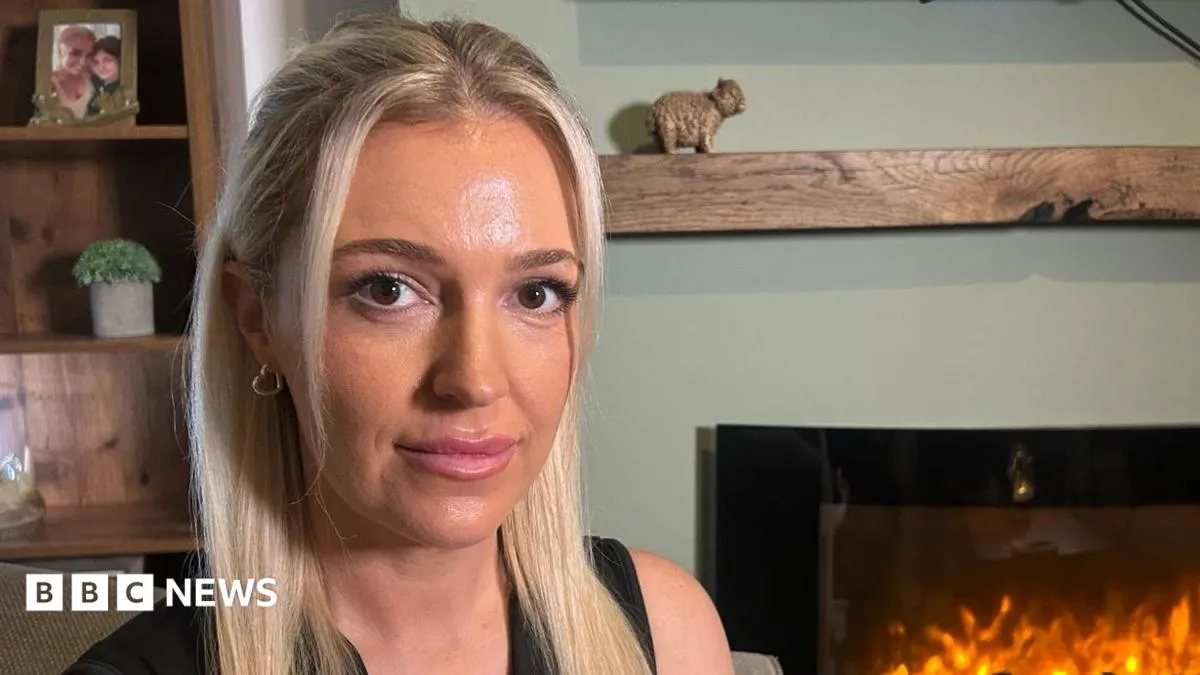 Photo: BBC News
Key points
The government will create a single stalking offence in England and Wales but rejected a proposal to raise the maximum sentence from 10 to 14 years.
The government will create a single standalone stalking offence in England and Wales after a review found the law was "cluttered and confused", but it will not raise the maximum sentence. Safeguarding minister Satvir Kaur announced the change on 26 November, describing it as the "biggest shake-up of stalking laws in more than a decade".
The change matters because the two existing stalking offences, introduced in 2012, sit on top of the older offence of harassment. Prosecutors must first establish harassment, then prove additional factors such as fear or distress, before a case counts as stalking. The new offence removes that layered structure and can be tried in either the Crown Court or a magistrates' court.
Why the law was confusing
Only the more serious of the current charges, which requires proof of fear of violence on at least two occasions, can be tried in the Crown Court, where the potential sentence is greater. A single offence triable in either court means every stalking case can reach the higher court. The government said the reform shifts the focus onto the perpetrator's conduct rather than the victim's reaction.
Richard Wright KC, who prosecuted the man who stalked and murdered Alice Ruggles in Gateshead in 2016, led the review, which the government ordered last year. He concluded the offence of stalking "needs to be both uncoupled from harassment and redrawn in its ambit and scope". He wrote that the law had reached a position with "dozens of offences, all with very similar foundations".
Wright also described the wider field of protective orders as a "minefield", with many varieties and initialisms created and amended across different pieces of legislation. He concluded that the legislative position across interpersonal abuse offences was "cluttered and confused". The review said confusion between stalking and harassment laws could contribute to failures in identifying and prosecuting the crime.
What the review found
A previous investigation into police handling of stalking found three in every 20 stalking crimes examined had been incorrectly recorded as other offences, including harassment. The review also recommended removing the need for victims to show actual fear or serious disruption to their lives, arguing this would protect people who were unaware they were being secretly followed or monitored.
The government said it would explore such a test but has not committed to including it in the new offence. Kaur said she was "sick and tired of it being the onus on the victim". The government did accept the single offence itself, and said both the offence and the sentencing change will be brought into law when parliamentary time permits, according to the Home Office.
Ministers rejected Wright's proposal to raise the maximum sentence from 10 to 14 years. They said the average sentence for the more serious stalking offence in the year to March was 18.6 months, suggesting the existing maximum was not being fully used. Kaur said judges could already jail stalkers for 10 years, so it was better to work with them than to change "the goal posts".
Victims dispute the sentencing
Katherine, from Newcastle, whose former partner was arrested 28 times for stalking her, welcomed the single offence. "I'm pleased about that one because my ex was charged with [the lesser offence] of stalking without fear to start with and I was terrified," she said. Her ex had resumed his behaviour after being sentenced to three years and four months in prison.
Ashley, from Washington in Tyne and Wear, whose former husband Jason Howe tracked her with an AirTag, said she was "genuinely disappointed" that the government had not gone further on protective orders. Howe was jailed for three years and four months in March last year for stalking and controlling or coercive behaviour. Ashley later found a restraining order protecting her had been amended without her being consulted.
What happens next
The scale of the problem is large. About 1.9 million people are estimated to have experienced stalking in the year to March, equivalent to 3.9% of people aged 16 and over, according to the Crime Survey for England and Wales. That is up from an estimate of 1.4 million a year earlier. Office for National Statistics figures published this week estimated 17.4% of females and 8.8% of males aged 16 and over had experienced stalking during their lifetime.
Frequently asked questions
What is the new UK stalking offence?
It is a single standalone stalking offence for England and Wales that can be tried in either the Crown Court or a magistrates' court, replacing the current structure where harassment must first be established and fear or distress proven.
Will the maximum stalking sentence increase?
No. Ministers rejected Richard Wright KC's proposal to raise the maximum from 10 to 14 years, saying the average sentence for the more serious offence in the year to March was 18.6 months, so the existing maximum was not being fully used.
How many people experience stalking in England and Wales?
About 1.9 million people, or 3.9% of those aged 16 and over, experienced stalking in the year to March, according to the Crime Survey for England and Wales, up from an estimate of 1.4 million a year earlier.