UN says world will breach 1.5C limit despite emissions plateau
The UN Environment Programme reports global temperatures will overshoot 1.5C this century as emissions stayed flat in 2025.
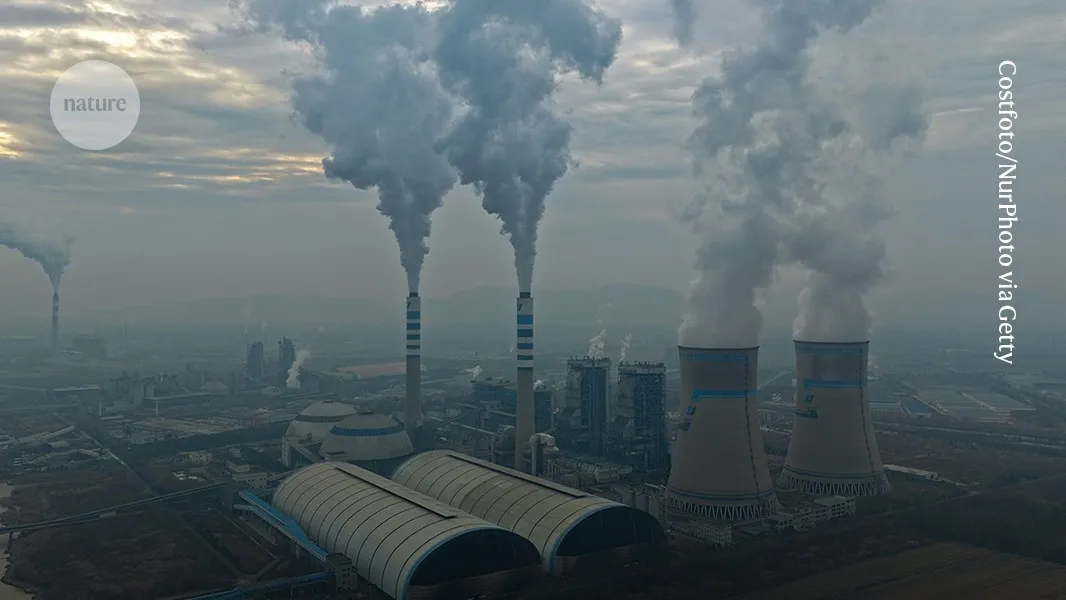 Photo: Nature
Key points
The United Nations Environment Programme reports global warming will exceed the 1.5C target despite a slight plateau in 2025 emissions.
The United Nations Environment Programme released its annual Emissions Gap Report on 21 October 2026. The document states that global temperatures are set to breach the 1.5C warming limit set out in the 2015 Paris Agreement. UN chief Antonio Guterres warned that the world can no longer avoid overshooting this threshold. He stated that the consequences of this warming are already devastating for vulnerable populations.
Global greenhouse gas emissions in 2025 were roughly flat compared to 2024 levels. This plateau was primarily driven by a decrease in emissions from land use and wildfires after unprecedented blazes in 2024. However, carbon dioxide from fossil fuels and other gases continued to rise slightly. Researchers caution that a single year of flat emissions does not confirm a permanent peak in global output.
Why emissions stayed flat
Under current policies, scientists estimate warming will reach 2.8C above pre-industrial levels by the end of this century. Even if countries fully implement their existing national climate pledges, warming is projected to hit 2.6C. This trajectory substantially exceeds the 2C upper limit agreed upon to avoid the most dangerous consequences of climate change. There is also a small chance warming could exceed 3.4C.
The report highlights that the US was a major exception to the global emissions slowdown in 2025. Preliminary data showed a 133 megatonnes increase in carbon dioxide equivalent emissions driven by higher electricity demand and coal power generation. This increase far exceeded that of any other country. Turkey recorded the next-largest increase as it prepares to host the upcoming climate summit.
Guterres described the situation as a historic failure of political leadership by global governments. He noted that deadly floods, brutal heatwaves, and raging wildfires are already disrupting life across the world. The report warns that each additional fraction of a degree adds to the damage by shrinking sea ice and killing corals. These changes will further worsen droughts and impact food security.
The cost of inaction
Limiting the overshoot requires immediate action to cut emissions by 6 per cent every year until 2035. The best-case scenario would see warming peak around 1.8C by 2050 before falling. Achieving this demands removing vast amounts of carbon dioxide from the atmosphere using costly and risky technologies. Carbon removal efforts might need to store about 320 gigatonnes of CO2 over the century.
Current national plans fall dangerously short of what is needed to keep warming below 1.5C. The report states that keeping peak warming below 1.7C or 1.8C will soon become impossible without urgent action. Renewables must expand rapidly to meet energy needs without increasing emissions. The world needs 5,000 gigawatts more renewable energy capacity over the next five years to stay on track.
The UNEP assessment comes ahead of Novembers COP31 climate summit in Antalya, Turkey. Governments will take stock of efforts to mitigate and adapt to climate change during this meeting. The emissions gap is described as a leadership gap with the world running out of time. Inger Andersen, UNEP executive secretary, said every country has a specific duty to find a way to phase down emissions.
What comes next
Scientists warn that average global warming is already around 1.4C above pre-industrial times. The year 2024 was the first individual year to average more than 1.5C above pre-industrial levels. The Paris Agreement target refers to long-term warming measured over around 20 years. The past nine years have been the hottest on record globally according to the data.
Methane levels must fall at least 25 per cent below 2025 levels by 2035 to meet targets. Coal-fired electricity would need to be effectively phased out worldwide by 2040. China and India continue building new plants even as the report calls for cutting coal share by 55 per cent by 2035. Satellites can now track leaks to help find the will to repair them.
Frequently asked questions
What is the current projection for global warming by 2100?
Under current policies warming is projected to reach 2.8C above pre-industrial levels by 2100.
Did global emissions rise or fall in 2025?
Global greenhouse gas emissions stayed flat in 2025 compared to 2024 due to lower wildfire emissions.