Iran negotiators in Doha for third day as US war threats persist
Iranian negotiators held a third day of talks in Doha on 1 November, seeking a deal to end the US-Israel war on Iran amid threats of renewed US strikes after the midterm elections.
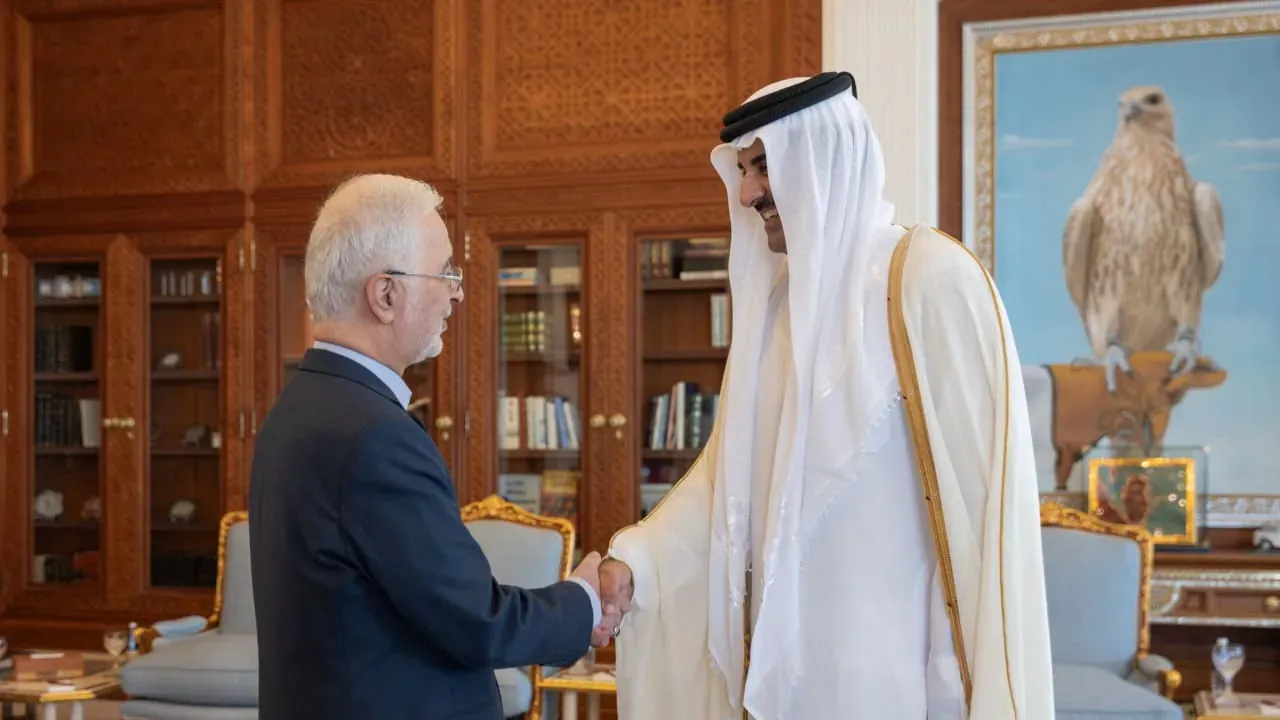 Photo: The Jerusalem Post
Key points
Iranian negotiators held a third day of talks in Doha on 1 November, seeking a deal to end the US-Israel war on Iran amid threats of renewed US strikes after the midterm elections.
Iranian negotiators were in Doha on Sunday for a third consecutive day of talks with Qatari mediators aimed at pushing for a deal to end the US-Israeli war on Iran, an official briefed on the discussions said. The talks come amid concerns that the conflict could escalate again after the November 3 US midterm elections.
US President Donald Trump has said the United States will not launch new attacks on Iran before the vote and that talks with Tehran have been productive, though he has not ruled out further military action thereafter. On Saturday, he said negotiations were "going fine" but added that they were "not very reliable".
Talks in Doha
Trump also said the US military still needed to "take care of" several Iranian sites, singling out a suspected underground nuclear complex known as Pickaxe Mountain. "We've knocked out their nuclear. We still have to take care of, I would say one or two sites, but we can do that in 10 minutes," he told reporters at his Florida residence.
Iran's Foreign Minister Abbas Araghchi said on Saturday that an Iranian delegation, including one of his aides, travelled to Doha to meet Qatari mediators. Earlier, Qatari officials also travelled to Tehran for consultations. The latest discussions in Doha centred on a plan that would reopen the Strait of Hormuz, a global energy chokepoint, within two days and restart peace talks with the US, provided Washington meets a set of demands from Tehran, Araghchi said.
Iran's demands
The renewed diplomatic activity comes after US Vice President JD Vance sent a letter earlier this week to Rezaei, reportedly seeking to gauge the prospects of restarting negotiations and averting another round of military escalation. Rezaei confirmed on Saturday that he had read the letter, whose tone he said had "completely changed" compared with earlier correspondence from Trump. Araghchi also said he had studied Vance's letter, which he described positively.
War warnings
Iran warned on Nov 1 that any new war with the US could last longer than the previous conflict and that President Trump would not be the one to determine its duration. "A potential future war could last longer than (the) previous conflict, and the American President would not be in a position to dictate the timing or the conditions of its conclusion," said army spokesman Mohammad Akraminia, according to Iranian state television.
Iran's Defence Minister Mehrdad Akhlaghi on Nov 1 warned of a "proportionate, decisive, and impactful response" to any attack on the country, according to state TV. "Those who pose threats will not dictate the scope, timing, or consequences of Iran's defensive response," he added. Also on Nov 1, Hossein Mohebbi, the spokesman for the Islamic Revolutionary Guard Corps, echoed remarks made by the country's new supreme leader in a written message the day before.
Rezaei said that Iran would use "new weaponry" in its response to any future attacks. He also said Iran's government was weighing a change to its "nuclear doctrine", which currently includes a ban on nuclear weapons. However, Rezaei told IRNA on Saturday that no new decision has been made regarding changes to the nuclear doctrine, but a renewed strike might change that. The talks are set to continue, with the next US move expected after the November 3 midterm elections.
Frequently asked questions
What is the status of US-Iran talks in Doha?
Iranian negotiators were in Doha on Sunday for a third consecutive day of talks with Qatari mediators, an official briefed on the discussions told Reuters. The talks aim to push for a deal to end the US-Israeli war on Iran, with discussions centred on reopening the Strait of Hormuz.
What are Iran's demands for a deal?
Iran's Foreign Minister Abbas Araghchi said the demands include lifting recently imposed US sanctions, reinstating oil waivers granted in June, reducing the US military presence in the region, recognising new shipping routes in the Strait of Hormuz designated by Iran and Oman, and ending the conflict on all fronts, including Israel's attacks on Lebanon.
What has Trump said about future attacks on Iran?
Trump said on Saturday that negotiations were 'going fine' but added that they were 'not very reliable'. He said the US still had to 'take care of' one or two targets, including a suspected underground nuclear complex known as Pickaxe Mountain, and could do so 'in 10 minutes'.