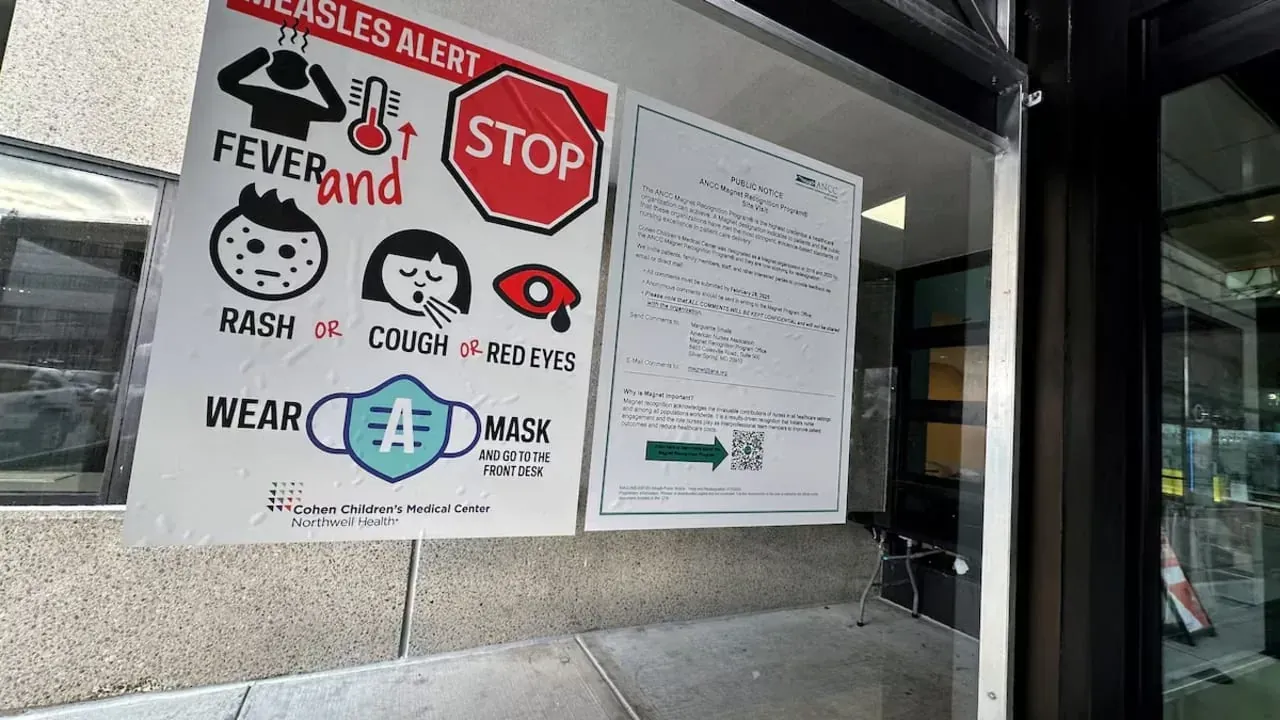
US loses measles elimination status after 26 years, PAHO says
The Pan American Health Organization stripped the US of its measles elimination status on 17 November after 5,412 cases and 10 deaths this year.
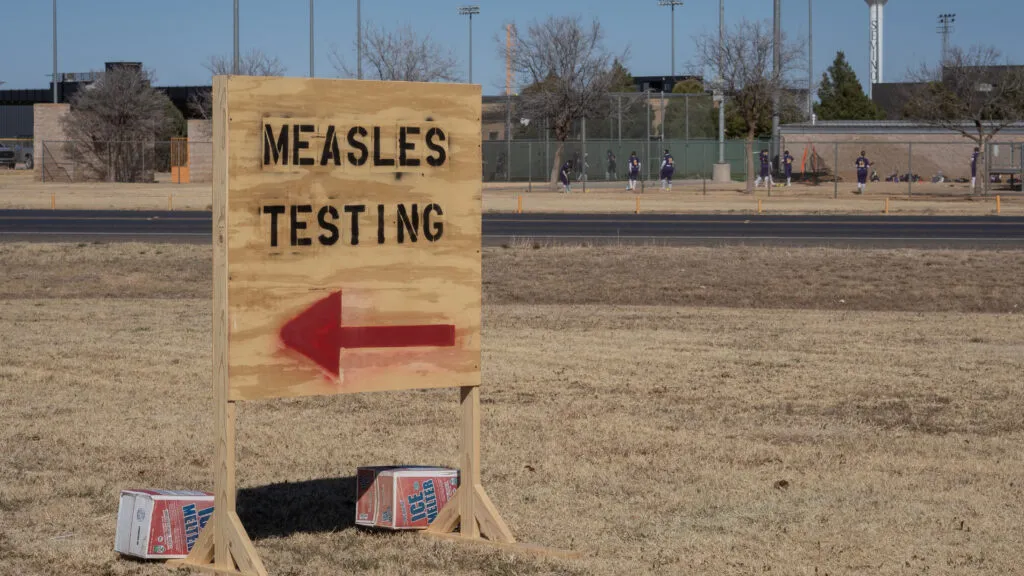 Photo: STAT News
Key points
The US lost its measles elimination status on 17 November after 5,412 cases and 10 deaths this year.
The United States officially lost its measles elimination status on 17 November, according to the Pan American Health Organization, which is responsible for the decision. The country recorded 5,412 measles cases this year, the most since 1991, and 10 measles-related deaths, the most since the early 1990s. Measles elimination was first declared in the US in 2000, meaning the virus had stopped spreading continuously. That status is lost when the same strain circulates for 12 months or more, according to the World Health Organization. PAHO determined the US has had uninterrupted transmission of the same strain for more than 12 months.
What losing status means
"Losing measles elimination status is an historic public health setback," said Dr. John Brownstein, an epidemiologist and ABC News medical contributor. "We spent decades building the vaccination coverage and public health infrastructure needed to stop this virus from spreading continuously in the United States." The decision comes after two years of record case numbers. In 2024 there were under 300 cases, and last year the US recorded 2,242 cases, a 30-year record. This year's total is more than double last year's, with about a third of cases linked to outbreaks that began in 2025 and continued to spread.
There have been 48 outbreaks identified in the US in 2026, with large ongoing numbers in Pennsylvania, Wisconsin, Minnesota and Indiana. The biggest outbreak has been in Pennsylvania, where state health officials have reported more than 1,500 cases and seven deaths. Some states have reported additional fatalities, but the total stands at 10 deaths this year.
Vaccination rates fall
CDC numbers show that in the 2019-2020 school year, 95% of kindergarteners had the MMR vaccine, which dropped to 92% in the 2025-2026 school year. That leaves nearly 300,000 kindergarteners without protection. Health officials consider a 95% vaccination rate as herd immunity, which limits the spread of measles and protects those who cannot get vaccinated, including newborns.
Measles is incredibly contagious. An individual sick with measles can infect 90% of unvaccinated people they come into contact with, according to the CDC. The virus lives on surfaces and in the air 2 hours after a sick person leaves the room. About 1 in 5 people who are unvaccinated land in the hospital, with complications including pneumonia or encephalitis.
US Health Secretary Robert F Kennedy Jr has sparred with Pennsylvania officials over how it is counting measles deaths, with the CDC declining for now to record some of the deaths in its database. Kennedy has argued that the rise in measles cases started before he took the helm at HHS and that neighbouring countries have also seen more infections.
Dispute over deaths
Doctors and public health officials say misinformation from Kennedy and President Donald Trump has played a major role in falling vaccination rates. Trump issued an executive order for the MMR shot to be split into three separate immunisations, a move that public health experts say is costly and could sow confusion. "It's confusing patients. It's confusing families," said Dr Nuwan Gunawardhana of Columbia University Irving Medical Center.
PAHO director Dr Jarbas Barbosa announced that Mexico and Bolivia have also lost their measles elimination status, attributing the resurgence to persistent "gaps in vaccination". "These figures are a serious warning for our region," Barbosa said at a news conference on Tuesday. Daniel Salas, PAHO's executive manager of immunisations, said the US and others must submit corrective action plans outlining how they will improve vaccination rates.
CDC Director Dr. Erica Schwartz said the agency is committed to regaining elimination status. "The measles elimination designation is not what protects Americans. Vaccination does," Schwartz said in a statement. "We know where transmission is occurring and we've invested $100 million in state and local health departments to reach those communities."
Sen. Bill Cassidy, a Republican from Louisiana who is also a doctor, said health officials should do more to promote vaccination. "Speaking as a physician, you may decide not to be vaccinated because it's your free will, but the child who's too young to be vaccinated is vulnerable if you come into that child's presence," Cassidy said on "Face the Nation with Margaret Brennan." Most state legislatures reconvene in January, and state lawmakers will write next year's exemption rules.
Frequently asked questions
What does losing measles elimination status mean?
It means the US no longer meets the WHO standard of no locally transmitted measles infections or outbreaks lasting 12 months or longer. The same strain has circulated for more than 12 months, so the virus is spreading continuously.
Why did the US lose measles elimination status?
Vaccination rates fell below the 95% herd immunity threshold. MMR coverage among kindergarteners dropped from 95% in 2019-2020 to 92% in 2025-2026, leaving nearly 300,000 children unprotected and allowing sustained outbreaks.
How many measles cases and deaths has the US had in 2026?
States have reported 5,412 cases and 10 measles-related deaths this year, the most since 1991 and the early 1990s respectively. Pennsylvania has over 1,500 cases and seven deaths.