US trade representative proposes 20% China tariff in 14-partner action
The Office of the US Trade Representative proposed overcapacity tariffs on 14 trading partners, with China at 20% and the European Union at 15%, after a Section 301 investigation.
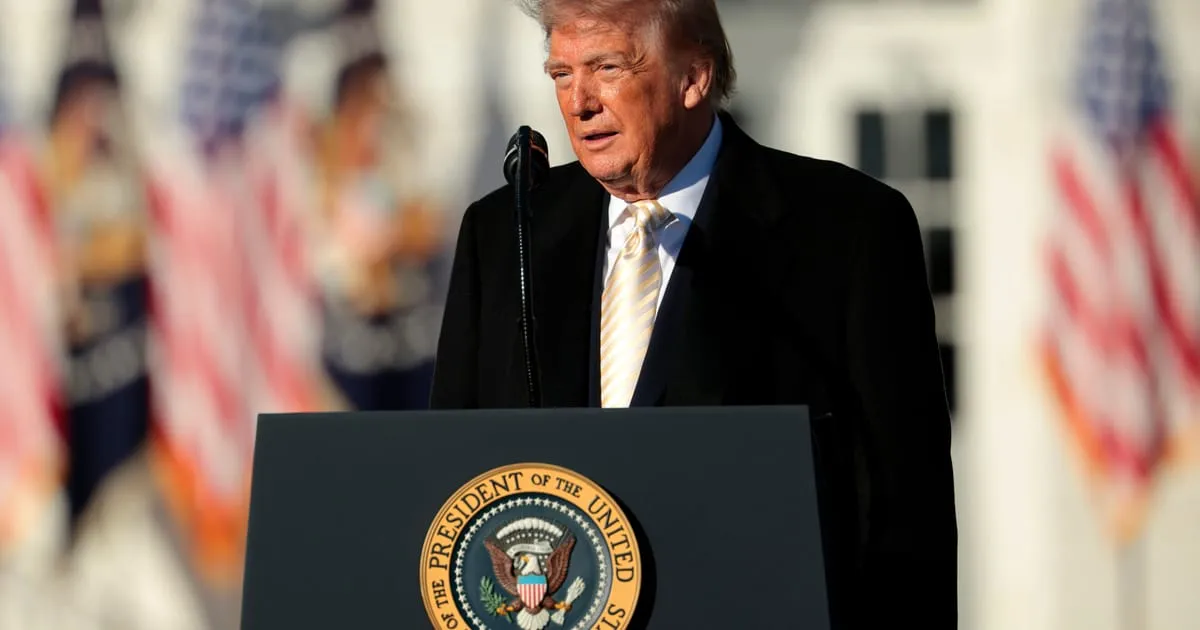 Photo: POLITICO
Key points
The US proposed overcapacity tariffs on 14 trading partners, including 20% on China and 15% on the European Union, with final rates still subject to hearings.
The Office of the US Trade Representative proposed new tariffs on 14 trading partners on Wednesday, finding that they had artificially deflated prices by flooding markets with manufactured goods. China would face the highest rate at 20%, and the European Union would face 15%, under the Section 301 investigation into structural overcapacity.
The proposal rebuilds part of the tariff wall the administration lost in court. The US Supreme Court invalidated the "reciprocal" duties Trump imposed in 2025 earlier this year. The administration then imposed a 10% tariff on the European Union, citing concerns that Brussels had failed to ban the import of goods made using forced labor.
Brussels rejects the overcapacity premise
The European Commission rejected the finding that Europe fuels global industrial overcapacity. "We strongly reject the premise that Europe is a source of structural overcapacity," Olof Gill, the Commission's deputy chief spokesperson, said in a statement. He added that Europe is among those most exposed to overcapacity, much of it state-driven and concentrated in third countries.
The rates track existing deals rather than replace them. Greer proposed the 15% EU rate in line with the ceiling agreed in the transatlantic trade truce struck in July 2025 between Trump and European Commission President Ursula von der Leyen. The China rate of 20% is in line with the country's prior agreement with the administration, a senior US official said.
The official, briefing reporters on condition of anonymity ahead of Wednesday's announcement, said the administration also proposed tariffs on Taiwan, Bangladesh, Cambodia, India, Indonesia, Japan, South Korea, Malaysia, Singapore, Switzerland, Thailand and Vietnam. Rates would be consistent with trade agreements signed by other partners, including the 15% cap agreed by Taiwan, the EU, Japan and South Korea.
Why the rates differ by partner
Only one rate will apply where a partner already faces a duty. The higher of the two tariff rates will apply, rather than the two being added together, a senior US official said. For the EU, that means the 15% proposal sits above the 10% forced-labour tariff imposed after the Supreme Court ruling.
The investigation began in March under Section 301 of the Trade Act of 1974, the second of two trade probes initiated in the spring. Washington accuses China of flooding world markets with cheap exports of everything from steel to electric vehicles and solar products. "We know that they don't like these actions, but we are seeking stability with the Chinese," a senior US official said.
In Taipei, a source familiar with Taiwan-US trade affairs said the proposed rates are procedural recommendations rather than final decisions. Taiwan and the US have signed an Agreement on Reciprocal Trade and a memorandum of understanding on investment cooperation, so the final rate is expected to return to the agreed 15% non-stacked level, the source said.
Hearings before any final rate
The proposed duties are not final. A senior US official said they would likely take effect in January at the earliest, after USTR holds hearings and receives public comments. Taiwan's Executive Yuan spokeswoman Michelle Lee said Washington must still hold public hearings and complete subsequent procedures before determining final rates.
Greer is expected to dial in next Monday to a meeting of European trade ministers, where he can expect pushback on the excess capacity probe. EU ministers are also expected to bring up the lack of progress on lowering tariffs on EU products containing steel, some of which still face US duties of as high as 50%.
Frequently asked questions
What tariffs did the US propose on China and the EU?
The Office of the US Trade Representative proposed a 20% tariff on China, the highest rate, and 15% on the European Union, under a Section 301 investigation into structural overcapacity.
Why did the EU reject the US overcapacity finding?
European Commission spokesperson Olof Gill said the EU strongly rejects the premise that Europe is a source of structural overcapacity, adding that Europe is among those most exposed to overcapacity, much of it state-driven and concentrated in third countries.
When could the new tariffs take effect?
A senior US official said the proposed duties would likely take effect in January at the earliest, after the Office of the US Trade Representative holds hearings and receives public comments.