Brazil court extends runoff voting by two hours as count pauses
Brazil's Supreme Court Justice Cristiano Zanin extended presidential runoff voting by two hours on 25 October 2026, citing public transport problems in three cities in Bahia, pausing the count.
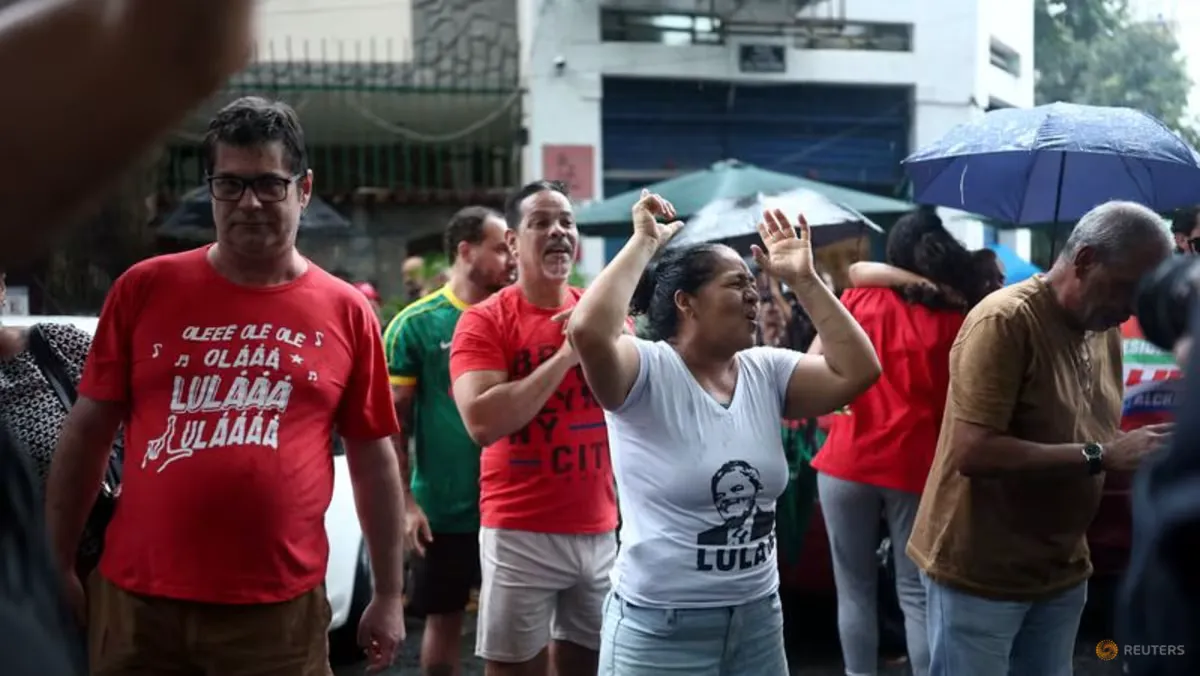 Photo: Channel News Asia
Key points
Brazil's Supreme Court extended presidential runoff voting by two hours on 25 October 2026, pausing the vote count that had already begun publishing results.
Brazil's Supreme Court extended voting in the presidential runoff by two hours on 25 October 2026, and the electoral court paused a vote count that had already begun publishing early results. Supreme Court Justice Cristiano Zanin accepted a request from President Luiz Inacio Lula da Silva's campaign, pointing to public transportation problems in three cities in the state of Bahia. Polls had been set to close at 5pm Brasilia time and would now close at 7pm, the electoral authority said.
The extension matters because it interrupted an election already tense with the fallout from 2022, when Jair Bolsonaro refused to concede defeat to Lula and his supporters invaded government buildings. The runoff pits leftist President Lula da Silva against right-wing Senator Flavio Bolsonaro, the son of the convicted former president, who is serving a 27-year prison sentence for plotting a coup. The pause left the result in doubt as counting resumed after the extended window closed.
Why the court extended voting
Zanin's decision arrived around the 5pm cutoff, when the electoral court had already begun publishing results showing Lula leading with 0.25% of ballots counted: 57.66% for Lula against 42.34% for Flavio Bolsonaro. In a subsequent ruling, Zanin said polling stations that had already closed would stay shut and their votes could be tallied, while stations still open at the official cutoff could keep receiving voters for two more hours. The electoral court, known as the TSE, then paused the count.
With 88.7% of districts counted, Lula held 51.52% of the vote, or 56,506,197 votes, against Flavio Bolsonaro's 48.48%, or 53,164,037 votes, according to a Guardian tally sourced to the TSE. A winning candidate needs more than 50% of votes cast; there is no electoral college. No candidate reached 50% in the first round on 4 October, sending the two leading candidates into this runoff, which decided whether Brazil would continue with left-of-center leadership.
Both candidates had asked for extensions before Zanin ruled. Lula requested extended voting in at least nine states, his campaign alleging some officials reduced election-day public transportation and hurt voters' ability to reach polls. A court in Bahia, a Lula stronghold in the Northeast, ordered the arrest of a top transportation official in Salvador over allegations he directed a reduction in the city's bus fleet. Flavio Bolsonaro separately requested extensions in at least three states, citing bad weather and heavy rains in Brazil's south.
The early count and the pause
The decision drew criticism from both camps. Eduardo Bolsonaro, the candidate's brother, questioned on his YouTube live stream why the Supreme Court had ruled in a process overseen by the federal electoral court, saying it did not inspire credibility. Nikolas Ferreira, a Bolsonaro ally, called the ruling an attempt to contest Bolsonaro's likely win, noting the justice was also Lula's former lawyer. Edhinho Silva, chairman of Lula's Workers Party, said the party was already looking into legal action over interference in the electoral process.
Legal experts warned the extension itself could be contested. Vera Chemim, a constitutional lawyer in São Paulo, said the losing side might argue many people were unable to vote even with the extended deadline, depending on the result. Two legal experts said the extension and the transport allegations could draw legal challenges. Before Zanin's decision, Lula said something abominable was happening in the election, while volunteers at a Brasilia school debated whether to stay past the original closing time.
Legal challenges on both sides
The count's pause carried echoes of 2022, when Jair Bolsonaro refused to concede and his supporters invaded government buildings; he later received a 27-year prison sentence for plotting a coup. In the first round of this election, Flavio Bolsonaro beat Lula by more than 2.2 million votes, though more than 33 million of nearly 160 million voters did not turn out. Bolsonaro won Minas Gerais 48.43% to 43.33%, a state Lula had carried in 2022.
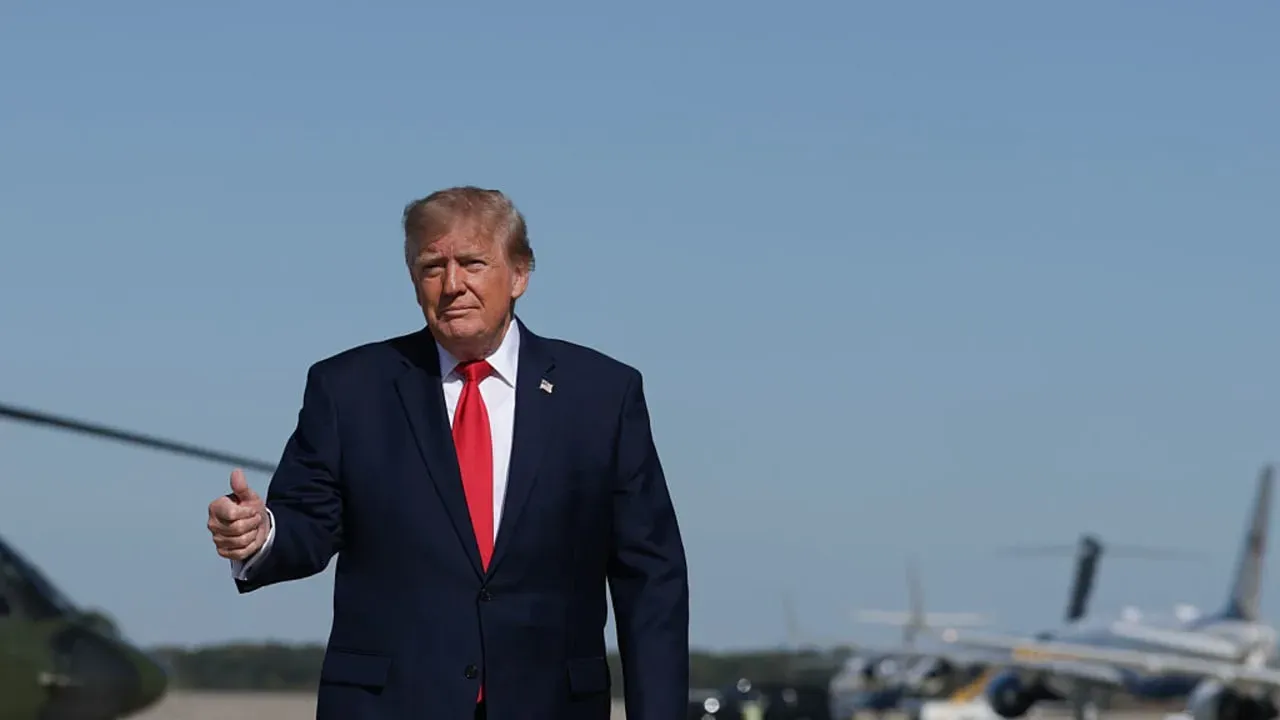
The candidates offer opposing directions for Latin America's most populous country and largest economy. A Flavio Bolsonaro victory would extend a run of right-wing wins in the region, in a year when allies of US President Donald Trump scored victories in Chile, Peru and Colombia; a Lula win would leave Brazil and Mexico with left-of-center leaders. Trump declined to endorse a candidate, telling reporters on 25 October he did not want to get into it but that we are watching.
Counting resumed after the two-hour extension closed, with the TSE tally showing Lula ahead at 51.52% to 48.48% with 88.7% of districts counted. The next step is completion of the count and certification by the TSE, amid the legal challenges signalled by both campaigns and by constitutional lawyer Vera Chemim. The winner takes office as Brazil's president in January, ending a runoff that began when no candidate reached 50% on 4 October.
Frequently asked questions
Why did Brazil's Supreme Court extend voting hours in the runoff?
Supreme Court Justice Cristiano Zanin accepted a request from Lula's campaign, pointing to public transportation issues in three cities in the state of Bahia. Polls closed at 5pm Brasilia time and voting continued until 7pm on 25 October 2026.
What were the results when the vote count was paused?
The electoral court had published results with 0.25% of ballots counted, showing Lula at 57.66% and Flávio Bolsonaro at 42.34%. With 88.7% of districts counted later, Lula led 51.52% to 48.48%.
Who are the candidates in Brazil's presidential runoff?
The runoff pits leftist President Luiz Inacio Lula da Silva against right-wing Senator Flavio Bolsonaro, the son of former President Jair Bolsonaro, who is serving a 27-year prison sentence for plotting a coup.