FAA ground stop disrupts 15,000 flights over two days
A nationwide FAA ground stop on 13 November disrupted 15,000 flights, with operations expected to return to normal by 15 November.
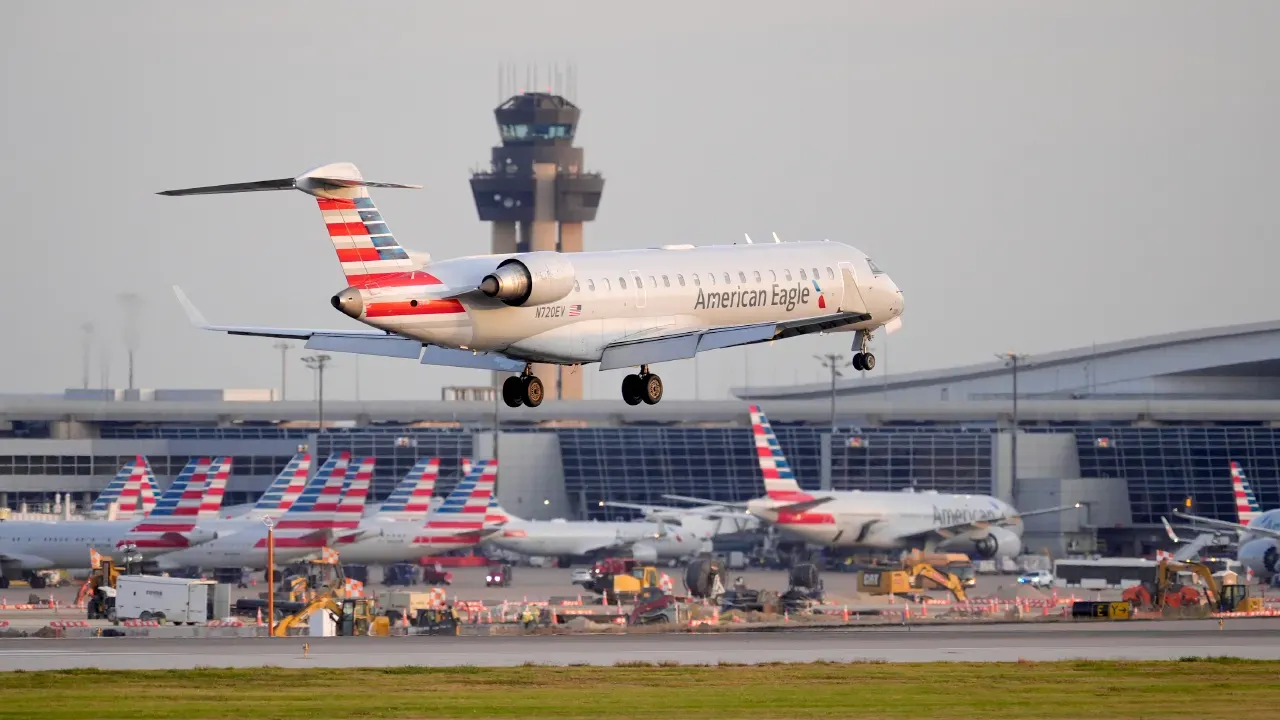 Photo: Fox News
Key points
A contractor's router replacement caused a nationwide FAA ground stop that disrupted 15,000 flights.
The Federal Aviation Administration ordered a nationwide ground stop on 13 November that disrupted 15,000 flights, the longest such stoppage in 25 years. The order came at 3:36 p.m. Eastern time while approximately 3,500 planes were in the air, and was lifted around 8:20 p.m. Eastern time. All airborne planes landed safely, but the ripple effect continued into the next day.
Transportation Secretary Sean Duffy said the ground stop was caused by work replacing old copper wiring with fiber optic lines at a remote FAA facility. He said the newly installed router began flooding other routers in the air traffic control system, with over 1,000 connection attempts every four to five seconds. The instability spread to 17 facilities before the FAA acted.
Cause of the outage
Duffy said the root cause was unclear, citing possible faulty hardware, a misconfigured router, or contractor incompetence. He said, "Our contractor didn't meet the moment or the equipment didn't meet the moment." The contractor, L3Harris Technologies, said it was supporting the FAA's investigation and had completed more than 70% of the planned conversion from copper to fiber.
FAA Administrator Bryan Bedford said the agency acted "out of an abundance of caution" and stood behind the decision. He said there was zero evidence of anything nefarious or AI-related. Homeland Security Secretary Markwayne Mullin said there were no indications of a cyberattack, and Duffy said he did not believe it was one.
Impact on flights
Duffy said on 14 November that air travel should return to normal by the end of 15 November. He said, "We are back at full operations," and thanked pilots, airline staff, air traffic controllers, and passengers for their patience. He advised travelers to check flight status directly with their airlines for real-time updates.
The outage highlighted the age of the air traffic control system. Duffy said, "What we have is an incredibly old air traffic control system." He said the FAA has been working to modernize the infrastructure with a $12.5 billion down payment secured by President Trump, but that "isn't ENOUGH." The Trump administration boosted its request for air traffic control funding to $30 billion late on 13 November. Rep. Rick Larsen and Rep. Andre Carson, ranking members of House transportation committees, said FAA and Department of Transportation staff will brief the committees on 16 November about the additional request.
Funding request
Larsen and Carson said in a joint statement that the ground stop "left the flying public and aviation workforce in disarray and seeking answers that the Trump administration waited hours to share." They said the committee will hold the administration accountable to ensure the chaos does not happen again. Duffy said he has been asking Congress for money for almost two years, and that Congress gave him a "partial payment" of $12.5 billion. He said, "Now, the Congress gave me a partial payment. They gave me 12 and a half billion dollars. And one of the problems that we had was they weren't quite sure that we would spend the money well and we'd build with the money."
Frequently asked questions
What caused the FAA ground stop?
A contractor replacing copper wiring with fiber at a remote FAA facility caused a router to flood the system with over 1,000 connection attempts every four to five seconds, disrupting radar and communications.
How many flights were affected?
Approximately 15,000 flights were disrupted on 13 and 14 November, with over 9,000 cancellations on the first day and more than 5,000 on the second.
When will air travel return to normal?
FAA Administrator Bryan Bedford said air travel should resume normal operations by the end of 15 November.